14 days in Cambodia itinerary
Author: Han Pham Oct 18, 2025 Source: roughguides
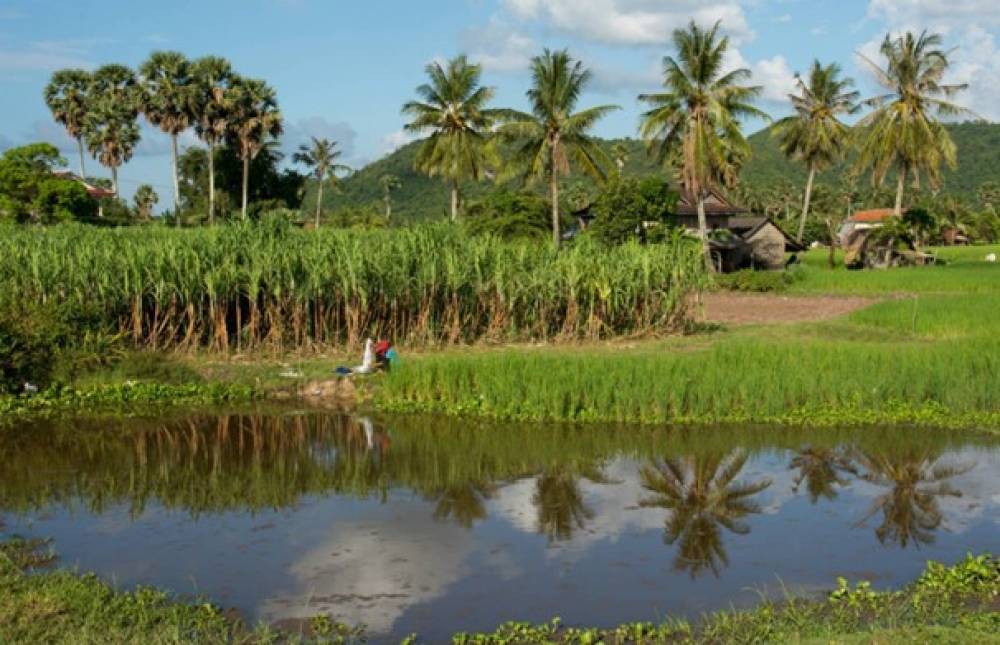
Two weeks in Cambodia gives you enough time to move at a steady pace and learn more about the country’s past and present. This route takes you through Phnom Penh, smaller towns and villages, the Angkor temples near Siem Reap, and the Mekong region. You’ll have enough time to get good sense of how different each area feels.
Day 1: Phnom Penh
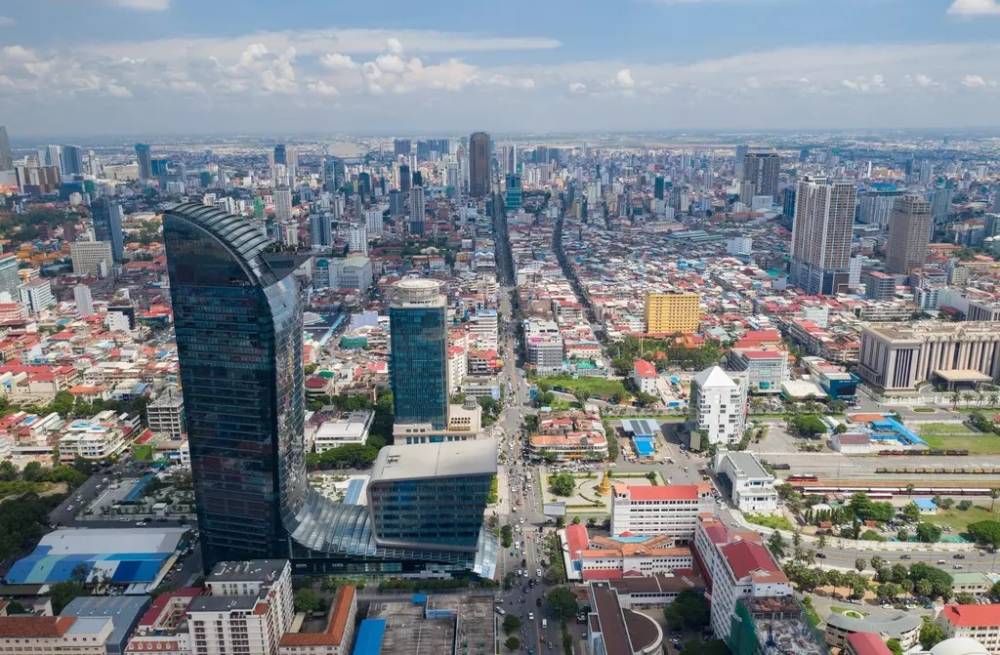
You’ll land on the first day of this Cambodia itinerary in Phnom Penh, where the Tonle Sap and Mekong Rivers meet. Once you’ve dropped your bags at the hotel, head to Sisowath Quay. The riverfront is busy in the evenings with people eating, strolling, fishing. T
he old colonial buildings here have been turned into cafés and shops, and you’ll start to get a feel for the pace of the city. For dinner, look for places slightly off the main road. The food tends to be better and cheaper, and you can find local dishes like fish amok or green mango salad without the tourist markup.
Insider's tip: Ask for a room that doesn’t face the river. The noise from traffic and nightlife carries late into the night.
Day 2: Cambodia’s dark history
Day two of this Cambodia itinerary is heavier, but important. Start with the Killing Fields at Choeung Ek, about 9 miles (15 kilometers) south of the city. It’s quiet now, but the stories stay with you. Take the audio guide, it’s detailed and respectful.
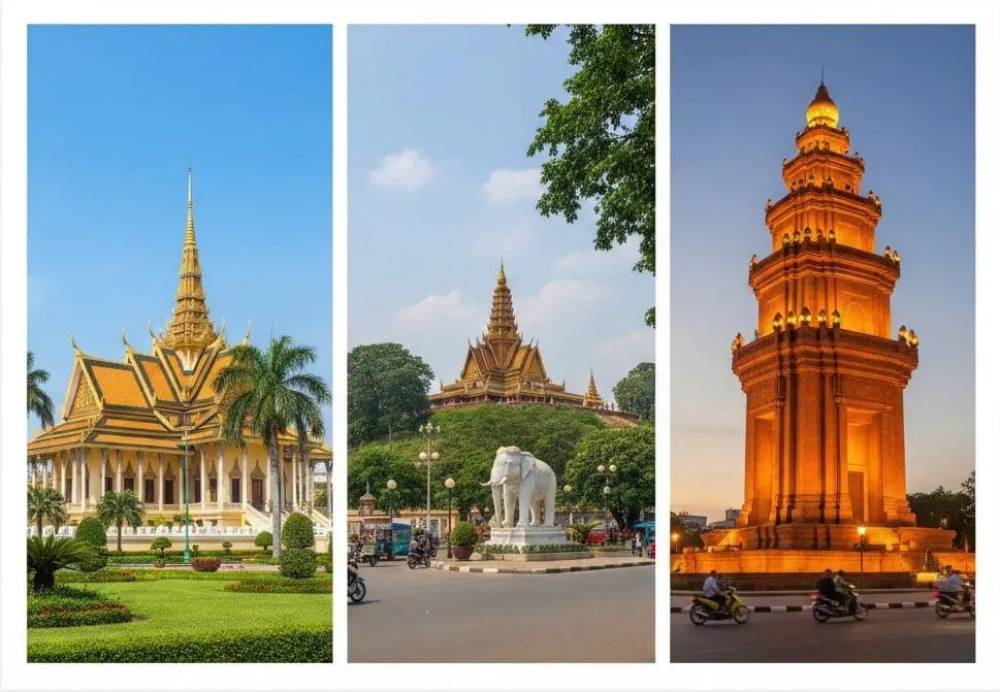
Then head back to Phnom Penh to visit Tuol Sleng (S-21), the former school turned prison. You’ll see old photographs, empty cells, and sometimes even meet one of the survivors. It’s heavy, so give yourself some time afterward. On the way back, swing past the Independence Monument or stop at Central Market. End the day with a short boat ride on the river around sunset.
Insider's tip: Both sites have minimal signage. The audio guides are worth the extra few dollars, don’t skip them.
Day 3: National museum
Start day three of this Cambodia itinerary with a cyclo ride through the older streets. Your driver will take you past French villas and old government buildings on the way to Wat Phnom. It’s a small hill with a temple at the top, and it’s where the city gets its name.
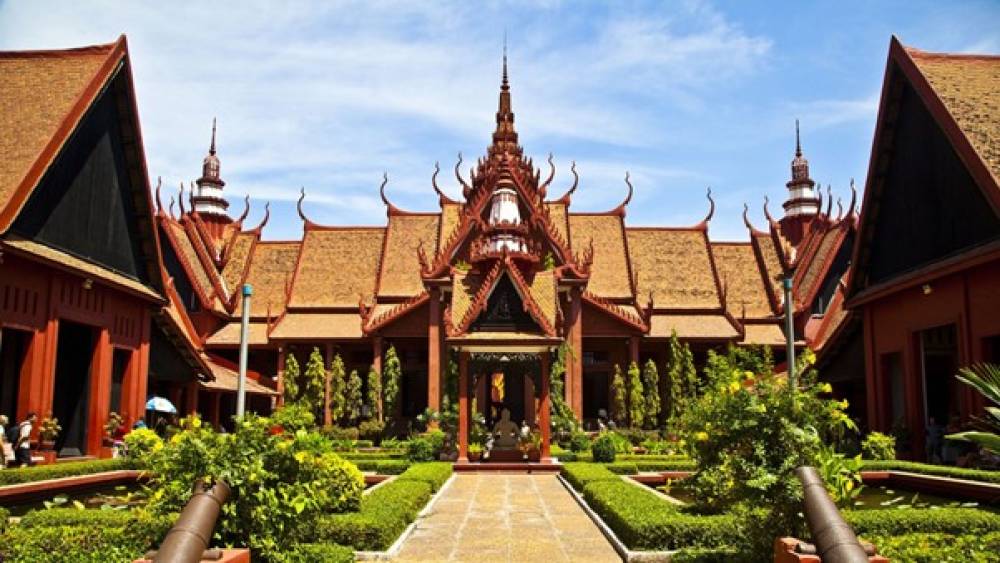
Then walk over to the National Museum. Most of what’s inside is from the Angkor period, and it helps to see the statues here before you get to the temples later. In the afternoon, visit the Royal Palace and Silver Pagoda. You can’t go everywhere, but you’ll see the throne hall and the floor made of silver tiles. There’s also a Buddha statue made from gold and diamonds that’s worth seeing.
Insider's tip: You’ll need to cover shoulders and knees. Bring something lightweight, or you’ll have to rent cover-ups at the entrance.
Day 4: Battambang and the bamboo train
Travel time: 5–6 hours
The road to Battambang is about 180 miles (290 kilometers). Most people travel by private car or shared taxi. If you book a private driver, you can stop along the way. Kompong Chhnang is a good place to break up the trip. It’s known for traditional pottery, and you can usually see people working in open-air workshops along the roadside.
Battambang feels quieter than Phnom Penh. The streets are wider, and a lot of French-era buildings are still standing around the central market. Start with a walk through the older part of town, then head out to ride the bamboo train. It’s a lightweight wooden platform with a small motor that runs along unused train tracks through rice fields. You’ll be out in the open and moving faster than you might expect.
Insider's tip: Ask for your own bamboo train rather than sharing. It gives you a bit more freedom and can take you farther out into the countryside.
Day 5: Temples, caves, and bats
Leave town early on day five of this Cambodia itinerary and follow the Sangker River to Wat Slaket and then Wat Ek Phnom. The ruins at Wat Ek Phnom are from the 11th century and quieter than the temples near Siem Reap.
There’s also a market nearby that specializes in prahoc, a fermented fish paste that’s a staple in Khmer cooking. In the afternoon, head up Phnom Sampeou. There’s a small temple at the top and views across the fields. The mountain also has caves used by the Khmer Rouge, now marked with small shrines.
Around sunset, stay at the base of the hill to watch thousands of bats fly out of the caves. It lasts about half an hour and happens like clockwork.
Insider's tip: Don’t forget insect repellent. Once the sun starts to set, mosquitoes come out fast, especially near the bat caves.
Day 6: Introduction to Siem Reap
Travel time: 3–4 hours
The drive from Battambang to Siem Reap is about 105 miles (170 kilometers), and the road is in decent condition. Shared minivans and private taxis both run this route. The drive is mostly through flat countryside, with rice paddies on either side. Some people choose to detour to Beng Mealea temple, but that turns this into a longer travel day. If you’re already planning to see more temples near Siem Reap, it’s fine to skip it.
Arriving in Siem Reap, you’ll notice the energy shift right away. There’s more traffic, more tuk tuks, and a whole lot more construction. It’s a base for visiting Angkor, but the town has its own rhythm too. If you’ve got the time, start at Wat Bo. It’s one of the older pagodas in town, and the Ramayana murals inside are easy to miss if you don’t know to look. They’re faded but still detailed, showing scenes from Hindu mythology.
Nearby, Les Artisans d’Angkor runs workshops where young Cambodians train in things like stone carving and lacquer painting. You can walk through the studios and see the tools, watch someone weaving silk by hand, or carving out sandstone lintels similar to the ones you’ll see at Angkor Wat.
The Old Market (Psar Chas) is worth walking through, especially late afternoon when stalls are packed. You’ll find people buying herbs, grilled fish, school uniforms, bulk spices, flip-flops, souvenirs. It’s a proper local market, not just for tourists.
Day 7: Ancient capitals
Leave early and head out to Banteay Srei on day seven of this Cambodia itinerary. It’s about 22 miles (35 kilometers) northeast, and the drive cuts through villages and small sugar palm farms. The temple’s small and feels different from the rest. It’s made from pinkish stone that catches the morning light, and the carvings are so tight they look almost like woodwork.
You’ll pass through Preah Dark village on the way back. If people are working, you can see how they tap palm trees for sugar or make rice paper in open courtyards.
Banteay Samre is quieter than the big temples. The layout is compact, and the bas-reliefs show Krishna lifting Mount Govardhan. It’s a good one to walk without too many other people around.
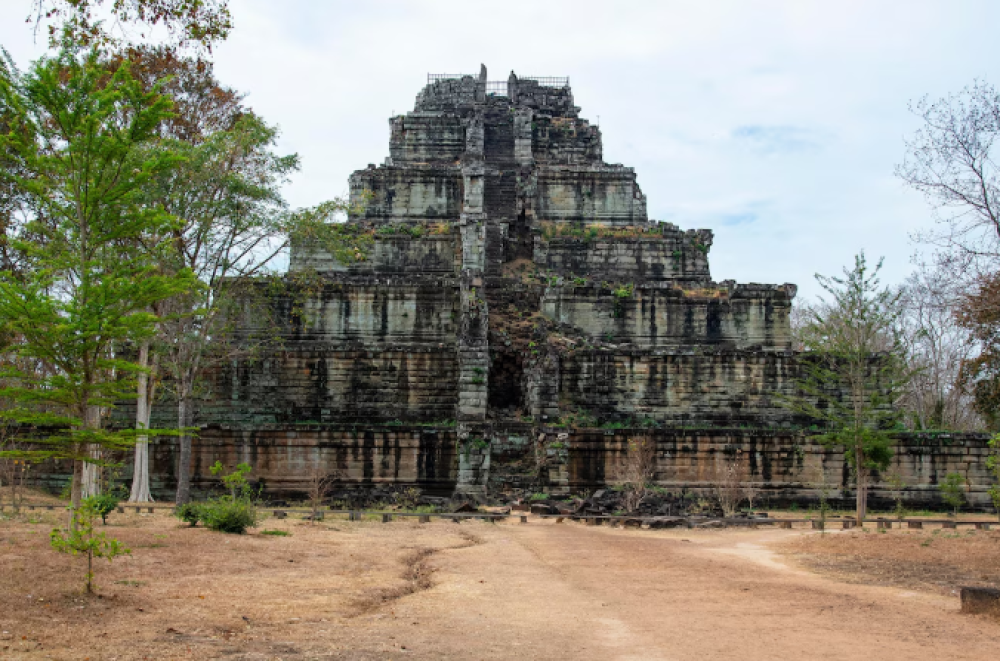
Later in the day, head to the Roluos Group. These temples are older than Angkor Wat and show what temple-building looked like in the 9th century. Bakong has a stepped pyramid design, and Lolei was once on an island, though now it’s mostly rice fields.
Day 8: Angkor
Start day eight of this Cambodia itinerary with Angkor Thom’s South Gate. There’s a causeway lined with statues, and the gate itself is topped with giant faces staring out in all directions. Inside the walls, head straight to Bayon. The faces on the towers are even more striking up close, and the narrow corridors feel almost like a maze.
Walk north to Phimeanakas and the Royal Enclosure. There’s not much left, but you can still climb the pyramid and get a sense of scale. The Elephant Terrace and the Terrace of the Leper King are nearby. Both have long stone carvings worth slowing down for.
Preah Khan is farther out, but worth the time. It’s big, open, and a bit overgrown in places. Easy to imagine it as a monastery, with wide paths and doorways framed by tree roots. Ta Prohm has even more of that overgrown feel. The roots are massive, tangled over walls and roofs. You’ve probably seen photos of it already, but it hits different in person.
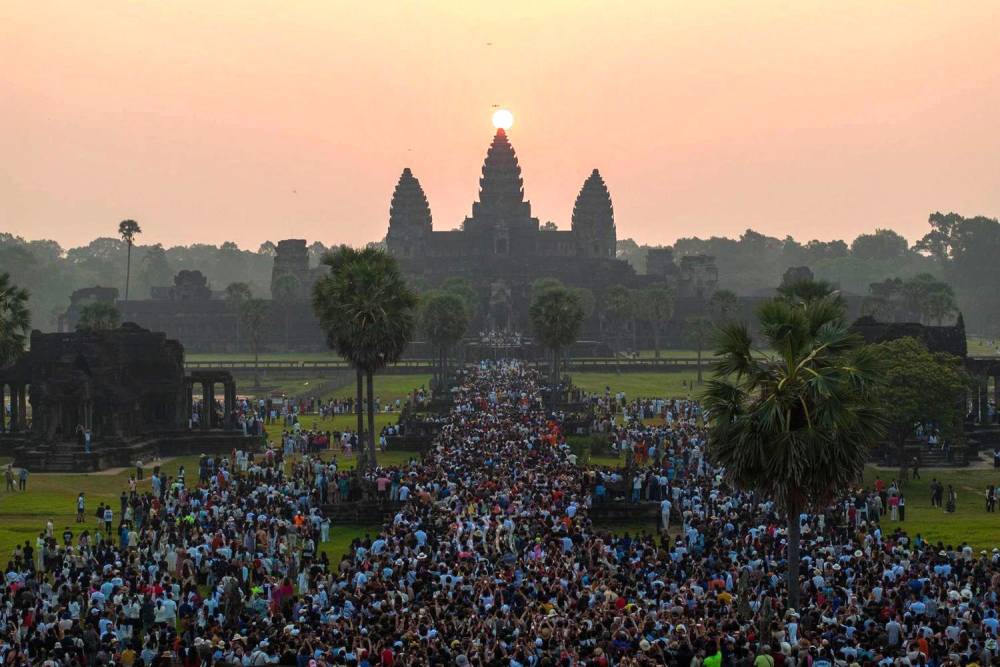
Save Angkor Wat for the end. Walk in through the east gate, which is quieter and leads you through galleries that most people miss. The inner towers are steep, and the bas-reliefs take time. Don’t rush.
Day 9: Floating villages
Travel time: 4 to 5 hours
Head out early on day nine of this Cambodia itinerary tto Tonle Sap for a boat trip. Water levels change fast depending on the season, and whole villages shift with the flood. You’ll pass floating homes, schools, and shops all lashed together, with families cooking, washing, and fishing from their front steps. These aren’t just boat tours, they’re people’s homes.
After the lake, make your way back inland and continue to Kampong Thom. It’s not a busy place, but the riverside is nice in the early evening and the market’s still open if you want fruit or snacks.
Insider’s tip: Bring a cloth or wet wipes for the boat. The lake water is muddy and there’s no easy way to wash up afterward.
Day 10: Pre-Angkorian temples
Travel time: 2 to 3 hours
Start early and drive about 23 miles (37 kilometers) out to Sambor Prei Kuk. These brick temples are older than Angkor, hidden in light forest. Some of the towers are octagonal, and a few have carvings still visible around the doorways. It’s quiet, and easy to wander on your own, though a local guide can point out details you’d otherwise miss.
After the visit, continue toward Chhlong. The landscape flattens out, and rubber trees stretch for miles in tidy rows. Most of the land here was cleared and planted during the colonial period, and the plantations are still working.
Chhlong is right on the river. People sit out on balconies, sweep their courtyards, and dry clothes in the sun. There’s not much traffic. It’s a good place to wind down.
The last leg to Kratie follows the Mekong north for about 56 miles (90 kilometers). You’ll pass small villages, rice fields, and long stretches of river views.
Day 11: River dolphins and island life
Kratie is your base if you want to see Irrawaddy dolphins in the Mekong. These rare freshwater dolphins live in deeper parts of the river near Prek Kampi, just north of town.
Start the day by taking the local ferry over to Koh Trong. It’s a quiet island where most people grow food or fish, and you’ll likely be one of the only foreign visitors. You can rent a bike right off the ferry and cycle the 6-mile (9-kilometer) loop.
At the northern tip, Wat Ty Pram Kbal is a small pagoda worth a stop. Monks live on site and are often open to chatting.
Head back to Kratie in the afternoon and take a boat to Prek Kampi. The dolphins surface quietly and only for a moment, so it helps to stay alert.
Day 12: Return to the capital
Travel time: 5 to 6 hours
Today is mostly about the drive back to Phnom Penh. You'll see more of rural Cambodia along the way, wooden houses on stilts, roadside stalls, and farmers working the fields. It’s a long ride, but the hours go quickly if you’re looking out the window.
At Areyksat, buses queue for the ferry across the Mekong. It can be slow, especially if traffic backs up. Once you're over the river, the pace picks up. You'll start to see more buildings, more motorbikes, and eventually the edge of the city.
Insider’s tip: Pack a few snacks and plenty of water. Some food stops are quick and may not have much you’ll want to eat.
Day 13: Silk Island
Use your last full day of this Cambodia itinerary to explore around Phnom Penh. First, catch a short ferry to Koh Dach, or Silk Island. It feels rural even though it’s just outside the city.
Locals here weave silk by hand in home workshops. Rent a bike and ride through the island.
Once back on the mainland, head north to Oudong. This was the royal capital until the mid-1800s. It’s set on twin hills with several stupas at the top, each holding relics or remains of past kings. The climb takes a few hundred steps, but the view stretches across the plains. There’s also a large temple at the summit that’s good for a quiet break before returning to the city.
Insider’s tip: A local guide at Oudong can sometimes get you access to stupas that are usually locked. Inside, you’ll find paintings and relics most visitors miss.
Day 14: Departure day
Depending on your flight time, you may have a few hours for one last wander. The Russian Market is a good place to look for souvenirs, with textiles, woodwork, and ceramics that don’t feel mass-produced. Or head back to the riverside for a quiet meal near the water before heading to the airport.
If there’s anything you missed earlier in the trip due to rain or timing, this is your last window to fit it in.
Insider’s tip: Give yourself at least three hours from hotel to flight. Phnom Penh traffic can slow down fast, especially in the afternoon. What looks like a short ride can easily double in time.