7 days in Cambodia itinerary
Author: Han Pham Oct 18, 2025 Source: roughguides
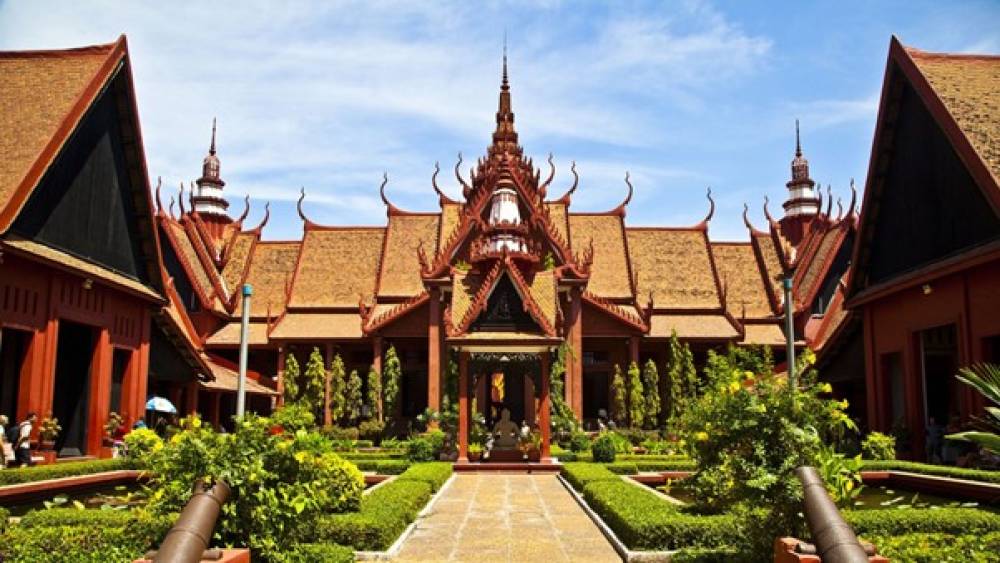
How to plan a trip to Cambodia that's only seven day? This week-long Cambodia itinerary is a bit of a whirlwind tour. This is the itinerary for those who want to explore the big-name temples in a small amount of time. You’ll start with a land crossing from Thailand, as this can be a great add on to a longer trip in South East Asia.
Day 1: Arrival in Siem Reap via Poipet
If you're coming from Thailand, you'll most likely cross into Cambodia at Poipet. It's a busy border, so having your visa sorted ahead of time will save you hassle. From there, it’s a few hours to Siem Reap. The road runs through lowland farms and small towns, with plenty of roadside stalls selling fruit and snacks.
Once you arrive, a visit to Banteay Srei is a good way to start exploring. Built in the 10th century from pink sandstone, it’s smaller than Angkor Wat but known for its remarkably detailed carvings of Hindu stories. On the way, you can pause in a village where families make palm sugar by heating the sap collected from sugar palms. It’s a common kitchen staple across Cambodia. End the afternoon at Banteay Samre, where long walkways lead through towers and quiet courtyards surrounded by fields.
Travel tip: Banteay Srei opens at 7:30am. The light is soft early in the morning, and the temple is far less crowded at that time.
Day 2: Angkor
Spend the day exploring Angkor Thom and Angkor Wat. Enter through the South Gate, where a stone bridge lined with statues leads into the ancient city. Bayon, at the center, is filled with towers carved with serene stone faces and narrow passages that open into small courtyards.
Continue to Baphuon, which has a long elevated walkway, and then to the old royal grounds nearby. Phimeanakas temple and the Elephants Terrace both show the scale of royal architecture, while the Terrace of the Leper King features detailed carvings hidden along its walls. Both are worth visiting.
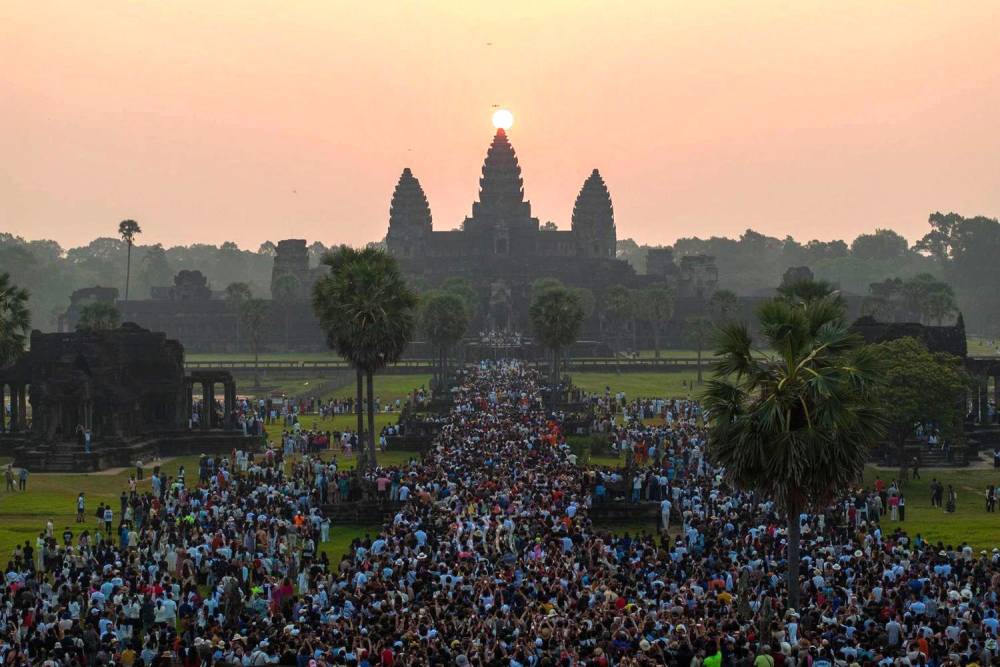
In the afternoon, head to Angkor Wat. Its sheer size can be disorienting at first, so give yourself time to walk through. The outer galleries are covered in stone reliefs that tell stories from the Ramayana and Mahabharata, and the central towers rise above courtyards framed by columns and moats. Sunset here is a fantastic way to finish the day.
Travel tip: You’ll want to hire a guide for Angkor Wat. Once you understand the stories behind them, the whole site feels more connected.
Day 3: Bang Mealea and countryside
A day trip to Beng Mealea takes you deeper into the countryside, about 37 miles (60 kilometers) east of Siem Reap. The temple is partially overgrown, with trees winding through fallen walls and moss-covered stones scattered across the grounds. Exploring here involves some climbing and ducking through narrow spaces.
Back in Siem Reap, visit Senteurs d’Angkor, a small workshop that produces teas, oils, soaps, and spices using locally grown ingredients and traditional methods. Wat Bo, one of the city’s oldest temples, is also worth a visit. Its murals depict Buddhist teachings and Khmer legends.
Travel tip: Closed shoes with decent grip make a big difference at Beng Mealea, especially if it’s rained recently. The paths can get slick in places.
Day 4: Temples and floating village
You’ll want to set your alarm early today. Watching the sunrise at Angkor Wat is worth the pre-dawn wake-up, especially when the temple’s reflection appears in the lotus ponds out front. It gets busy, but if you arrive early enough, you’ll still find quiet places.
Later in the morning, make your way to Tonle Sap Lake. It's the largest freshwater lake in Southeast Asia, and during the rainy season, it expands dramatically. You'll board a simple wooden boat to take a guided tour of one of the floating villages. People here live their lives directly on the water. You’ll pass by houses, schools, and even basketball courts floating beside fishing boats. The lake level changes a lot throughout the year, so everything is built to move with it.
In the afternoon, return to the temples. Preah Khan is one of the larger complexes, originally built as a monastery and university. Then move on to Neak Pean, where a small island shrine sits at the center of a manmade pond, and continue to Ta Som and Eastern Mebon. If you have time, end the day at Pre Rup, which many travelers climb at sunset for the view across the trees.
Day 5: Hidden gems and artisan workshops
Day five of this Cambodia itinerary is quieter, with fewer crowds. Start at Prasat Kravan, a small temple where the carvings are actually embedded into the brick walls. It’s quick to see but worth the stop.
Next is Banteay Kdei, a temple that feels like a maze, with overgrown courtyards and quiet corners. From there, head to Ta Prohm. This is the one where tree roots have grown through the stone walls. It’s well-known, but if you go early or late, you’ll avoid the biggest crowds. You’ll also see a few smaller temples nearby, like Takeo, Thommanon, and Chau Say Tevoda, each with their own detail if you look closely.
In the afternoon, visit Les Artisans d’Angkor. It’s a local workshop where artisans are trained in traditional Khmer crafts like stone carving, silk painting, and wood sculpture. You can walk through the studios and see how the pieces are made, start to finish.
Day 6: Ancient Chenla Kingdom
Travel time: 3 hours
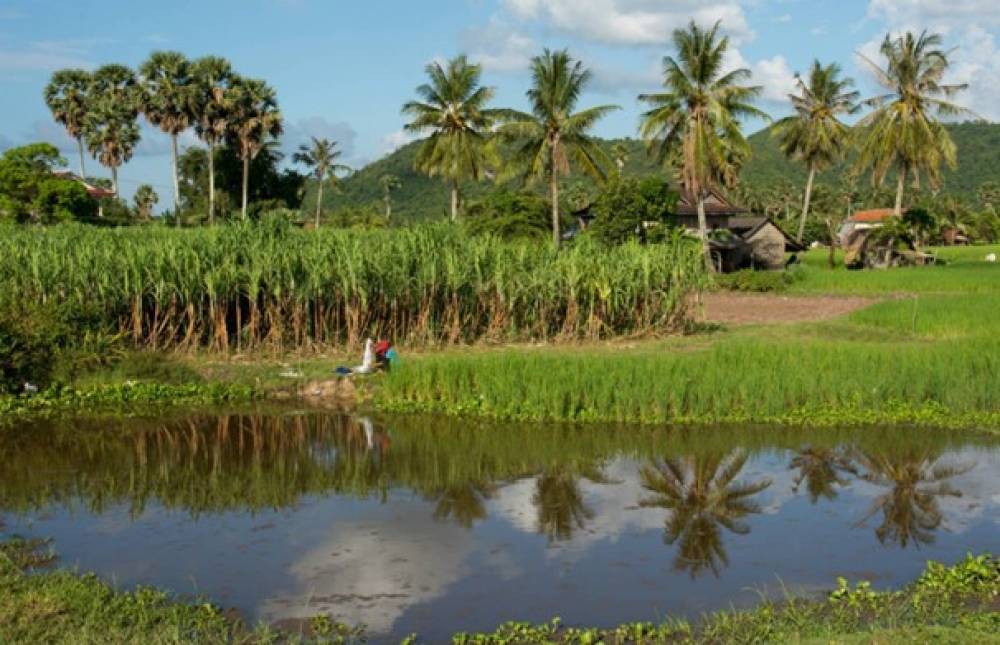
The drive from Siem Reap to Kompong Thom usually takes about 3 hours. It runs through small towns and stretches of countryside, with rice paddies and roadside stands selling grilled bananas, sticky rice in bamboo, and seasonal fruit
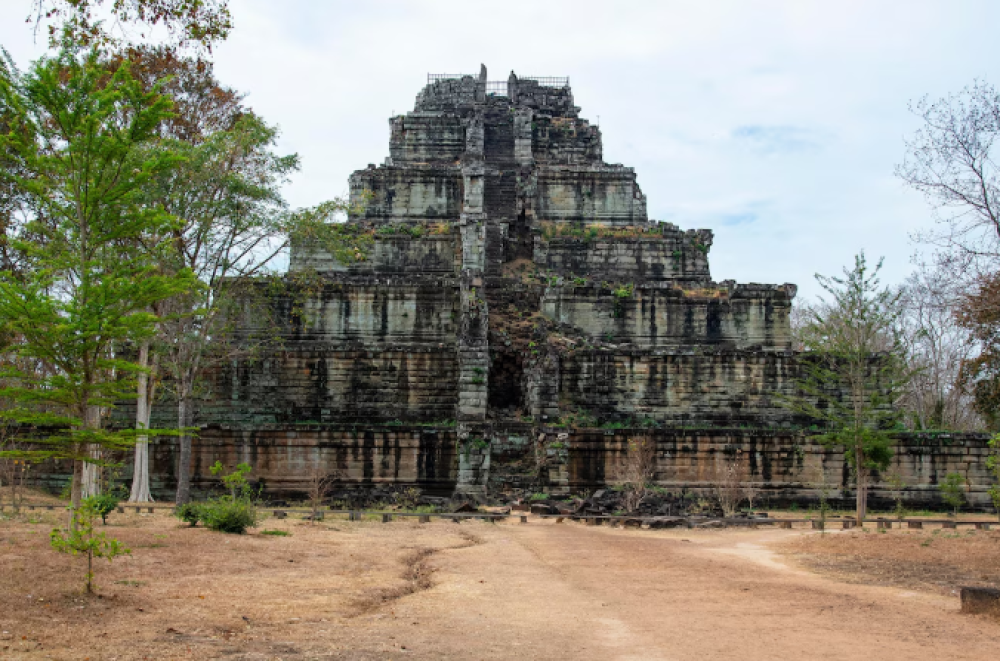
Kompong Thom is your base for visiting Sambor Prei Kuk, which is about 22 miles (35 km) northeast. The temples here are older than anything you’ve seen at Angkor, and one of the best places to visit in Cambodia. Back in the seventh century, this was the capital of the Chenla Kingdom. You’ll find over 100 brick sanctuaries scattered through light forest. Some have trees growing through the structures, but many have been carefully preserved.
The towers are smaller than those at Angkor, and some are octagonal, which is unusual for Khmer architecture. There aren’t any crowds, so it’s a calm place to explore. You can walk between temple clusters along dirt paths. Along the way, you’ll pass through quiet villages and open fields. It’s a different experience from the main sites around Siem Reap.
Day 7: Journey to Phnom Penh
Travel time: 4 to 5 hours with stops
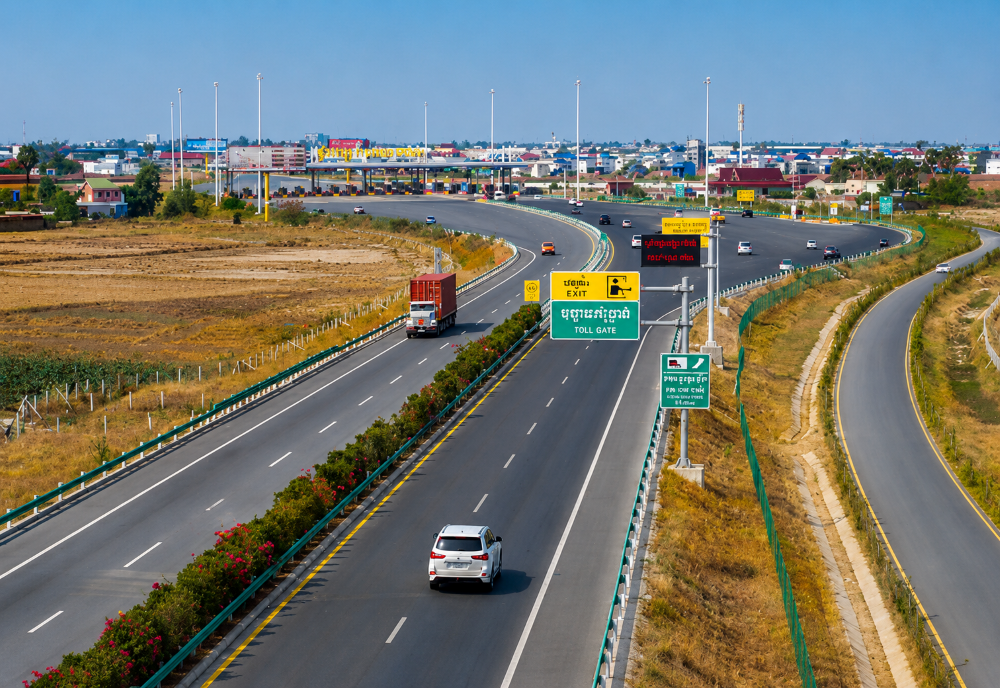
The journey from Kompong Thom to Phnom Penh takes most of the last day of this Cambodia itinerary, especially if you want to make stops along the way. The road is in good condition, and there’s plenty to see, so it’s worth turning the drive into a full day trip.
Make your first stop in Kompong Cham. The riverfront still has a few colonial-era buildings, and there’s a calm pace to the town. Just outside is the Santuk Silk Farm, where you can see how silk is made, from worms to weaving. You can also also visit Phum Prasat, where a single brick tower rises out of the fields, and Wat Kohear Nokor, which is home to ancient temple ruins with a functioning Buddhist monastery inside.
One of the more unusual stops is the Chhup rubber plantation, which stretches for miles. It was originally set up by Michelin, and the trees are still tapped for latex today. Before reaching the capital, stop in Skuon. It’s known for its fried tarantulas. You’ll find them piled high at market stalls, usually seasoned with garlic and salt. Not for everyone, but worth a taste if you’re curious.
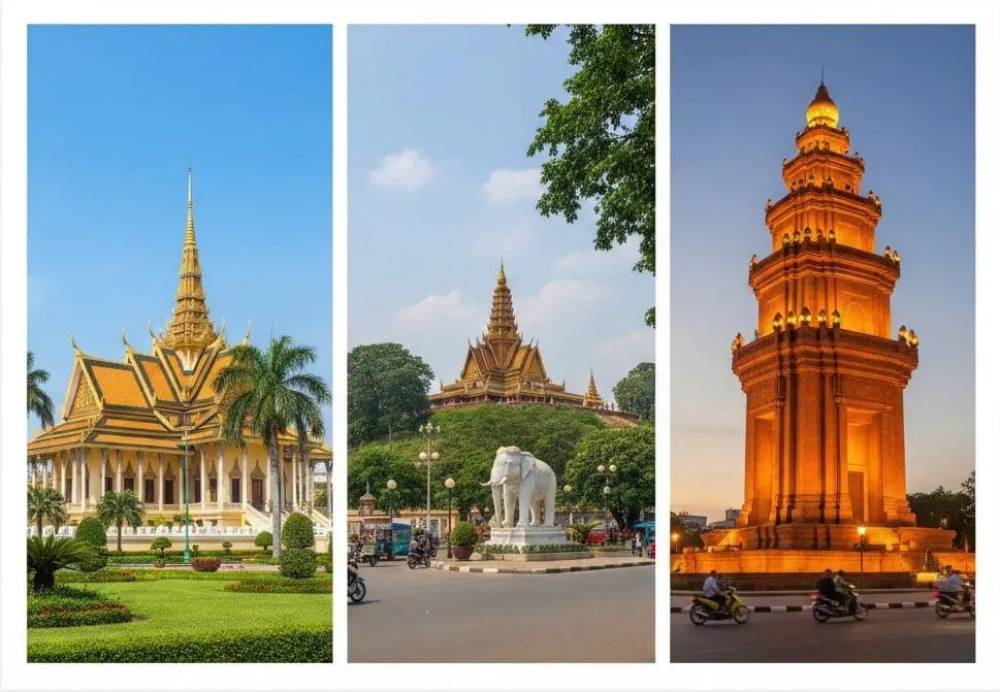
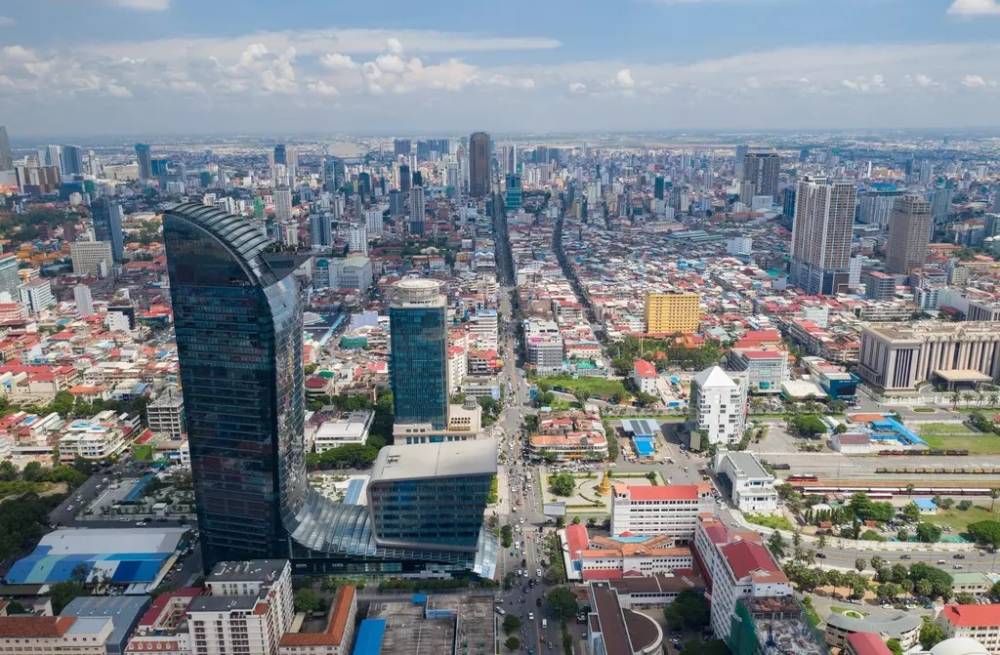
By late afternoon, you’ll reach Phnom Penh and wrap up your whirlwind Cambodia itinerary. Our tailor made travel service makes it easy to plan your trip by taking care of the planning and booking, so you can skip the stress and enjoy your trip.