Angkor Wat: A guide to Cambodia’s most famous temple
As the crowning jewel of Khmer architecture and the world’s largest religious monument, Angkor Wat stands as a breathtaking testament to the artistic and spiritual height of the 12th-century Angkor Empire.
Author: Nick Ray
Date: 8 January 2026
Source: Lonely Planet
Angkor Wat is the ultimate symbol of Khmer architectural ingenuity and the most iconic temple in Cambodia. Built in the 12th century during the reign of King Suryavarman II, the temple stands as the most ambitious and largest religious building in the world, and remains a source of fierce national pride — so much so that it is the only structure featured on the Cambodian flag.
The temple complex was constructed with an extraordinary level of skill, detailed carvings, and spiritual symbolism that reflect Hindu cosmology. The central tower represents Mount Meru, the mythical home of the gods, while the enormous surrounding moat symbolizes the cosmic oceans. Almost every structure and carving carries symbolic meaning, making Angkor Wat a living classroom of Khmer culture and belief.
When to Go:
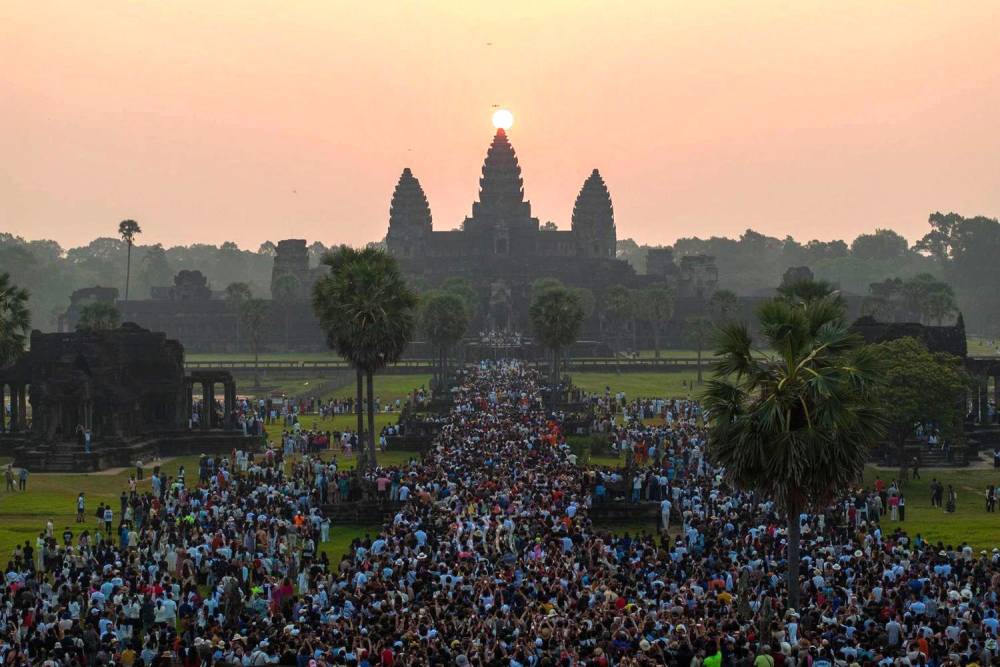
Angkor Wat can be visited year-round, but the peak season is from November to February, when the weather is relatively dry and cooler. Many visitors arrive before sunrise to watch the dramatic sunrise over the central towers, though crowds are common at that time. Sunset is another spectacular time to visit as the temple appears to glow in the fading light.
How Much Time to Spend:
To truly appreciate Angkor Wat, allow at least 3 hours if you are focusing mainly on the central temple — and longer if you want to explore bas-reliefs and ancillary structures in detail. The wider Angkor complex includes over 70 spectacular temples, such as Bayon and Ta Prohm, so many visitors spend several days exploring.
Getting There & Around:
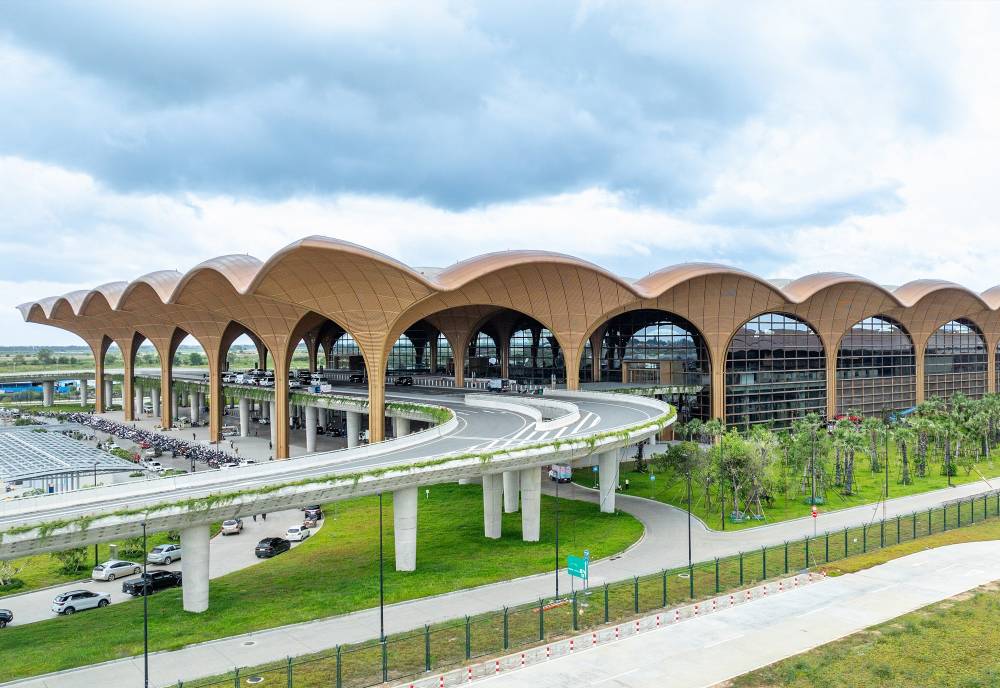
Siem Reap–Angkor International Airport (SAI) is the gateway to the temple complex. From Siem Reap, visitors can travel to Angkor Wat by motorbike, tuk-tuk, bicycle, private car or guided tour. An eco-friendly option includes electric bicycles that let you ride a scenic path from town to the temples.
Top Things to Do at Angkor Wat:
· Study the temple’s layout: The vast moat and central towers mirror the spiritual universe, exemplifying harmony, symmetry and symbolism.
· Decipher bas-reliefs: An 800 m long set of intricate carvings depicts scenes from Hindu mythology — most famously the Churning of the Ocean of Milk and scenes of King Suryavarman II’s armies.
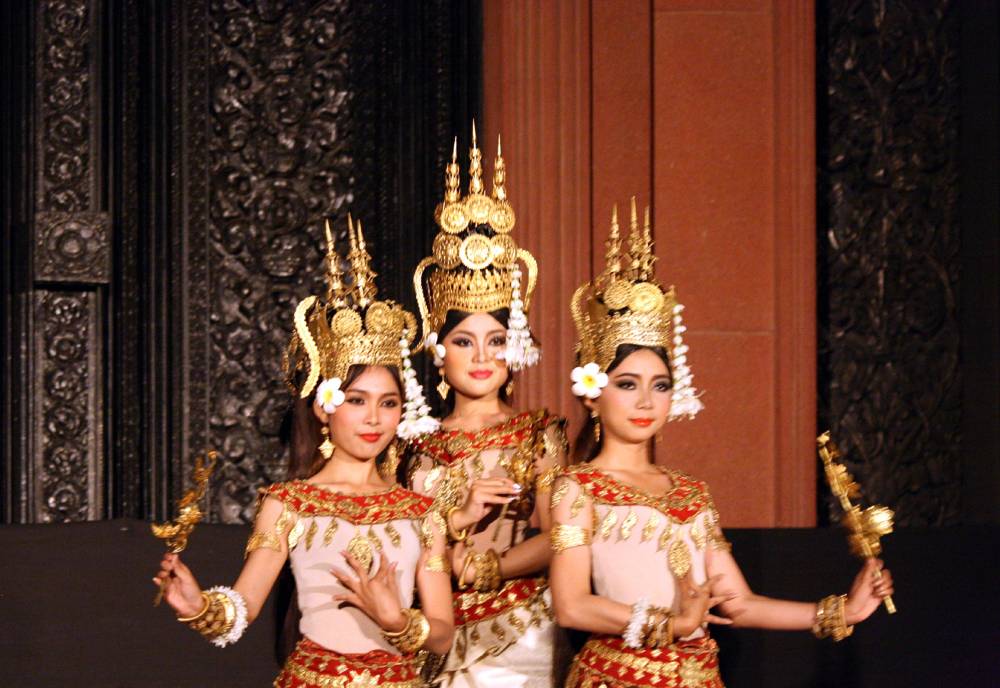
· Admire apsaras: Angkor Wat features about 2000 carved celestial nymphs, each with unique hairstyles and designs that showcase Khmer craftsmanship.
· Ascend to the Bakan Sanctuary: This upper level, reachable by steep stairs, offers views across the temple complex and illustrates how the site evolved from a Hindu temple to a Buddhist shrine.
Tickets & Costs:
Temples of Angkor passes are valid for 1, 3 or 7 days, with increasing access to the complex: US $37 for 1 day, US $62 for 3 days, and US $72 for 7 days. Prices can also vary depending on where you buy your pass. Attractions in Siem Reap such as accommodation, meals and tours are generally affordable.
Who Built Angkor Wat:
The temple was built by King Suryavarman II between 1113 and 1150 CE, though it wasn’t finished during his lifetime. Stones for the temple were quarried from Phnom Kulen, more than 50 km away, and transported via waterways. Construction involved hundreds of thousands of workers and thousands of elephants.
Unlike most Khmer temples, Angkor Wat is oriented toward the west, a direction associated with death in Hindu tradition. While this led some scholars to speculate that the temple served as Suryavarman II’s tomb, it is now widely understood that it served both as a temple dedicated to the Hindu god Vishnu and as a funerary monument. It has remained in continuous use as a place of worship since its construction.
Etiquette for Visiting:
As a sacred religious site, visitors are expected to dress modestly — shoulders and legs should be covered to enter certain areas. You should also not touch, sit on, or climb ancient structures, and respect restricted zones and religious ceremonies that may be ongoing.