10 days in Cambodia itinerary
Author: Han Pham Oct 18, 2025 Source: roughguides
On this Cambodia itinerary, you’ll cover Angkor, the south coast, and a few places in between. It’s a mix of old ruins, small towns, boat rides, and open-air markets, with just enough downtime to recharge between stops.
Day 1: Phnom Pen
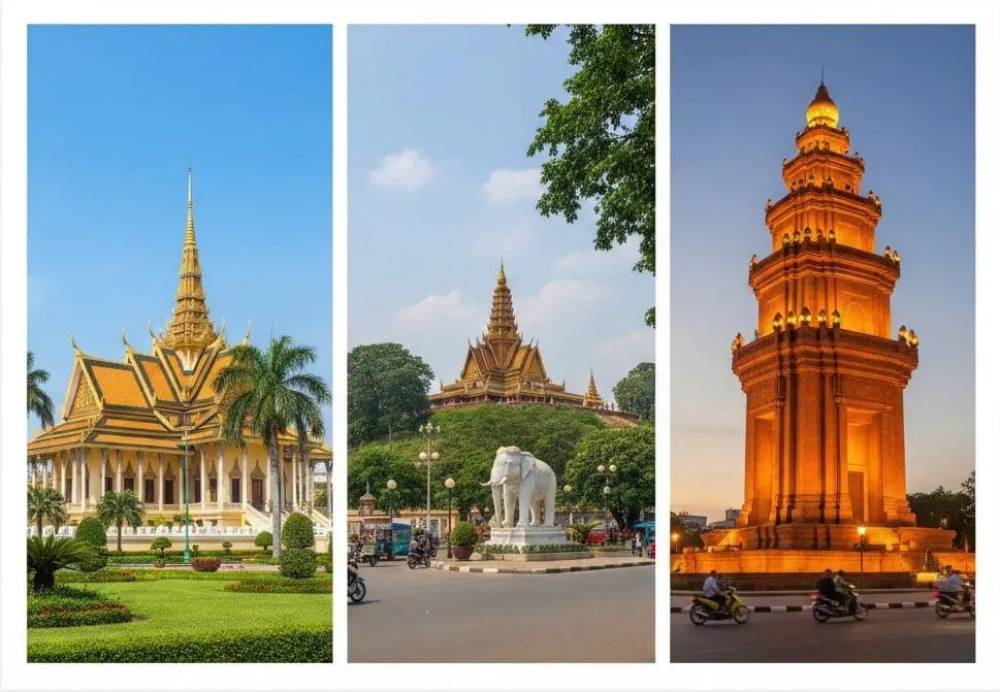
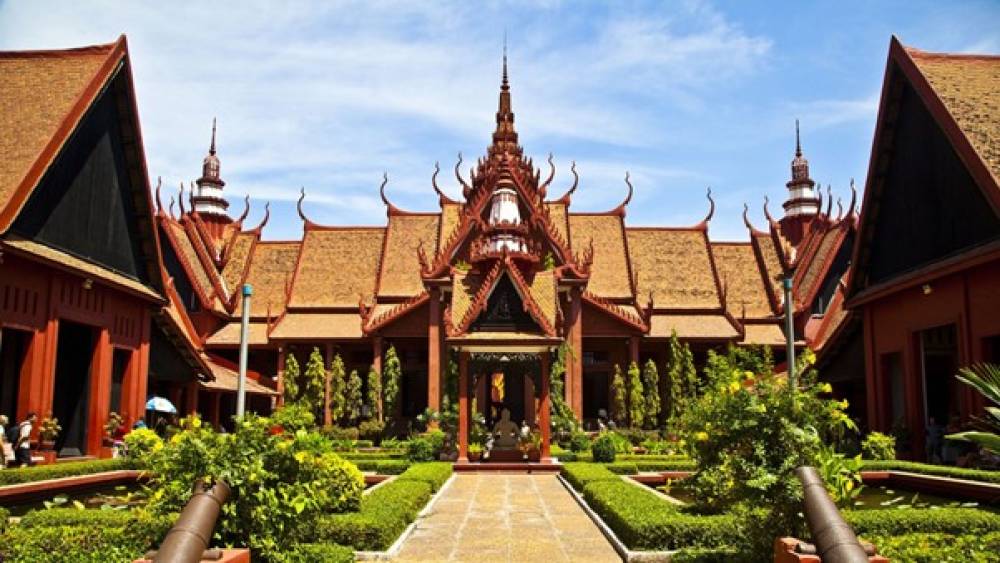
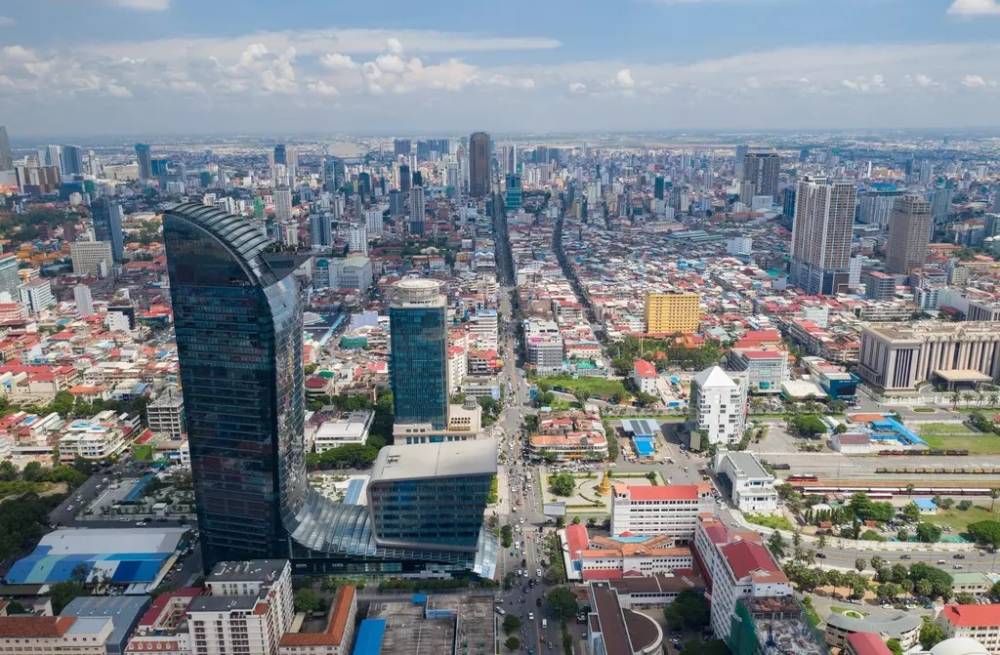
Start in Phnom Penh. It’s a busy capital with plenty to see, but you don’t need to hit everything. Begin with the Independence Monument, then walk or tuk-tuk over to the National Museum. It’s worth it, especially if you’re heading to Angkor later. The sculptures here help make sense of what you’ll see up north.
The Royal Palace is next door, and one of the best things to do in Phnom Pen. You’ll need a ticket to enter, but it includes the Silver Pagoda too. Inside, look out for the silver-tiled floor and the small gold Buddha covered in diamonds. Before sunset, head up to Wat Phnom. It’s a short climb to the temple at the top, with a few benches and a good view of the city winding down.
Insider's tip: Weekday afternoons are usually quiet at the Silver Pagoda. Most tour groups come earlier in the day, so you’ll have a better view.
Day 2: Ancient temples and silk villages
Travel time: 2.5 hours
On day two of this Cambodia itinerary, head south toward Kep, stopping at a few older temple sites along the way. Tonle Bati is your first stop. Ta Prohm and Yeay Peau temples are small but still have detailed carvings. It’s a quiet area next to a lake, so you’ll usually have space to look around.
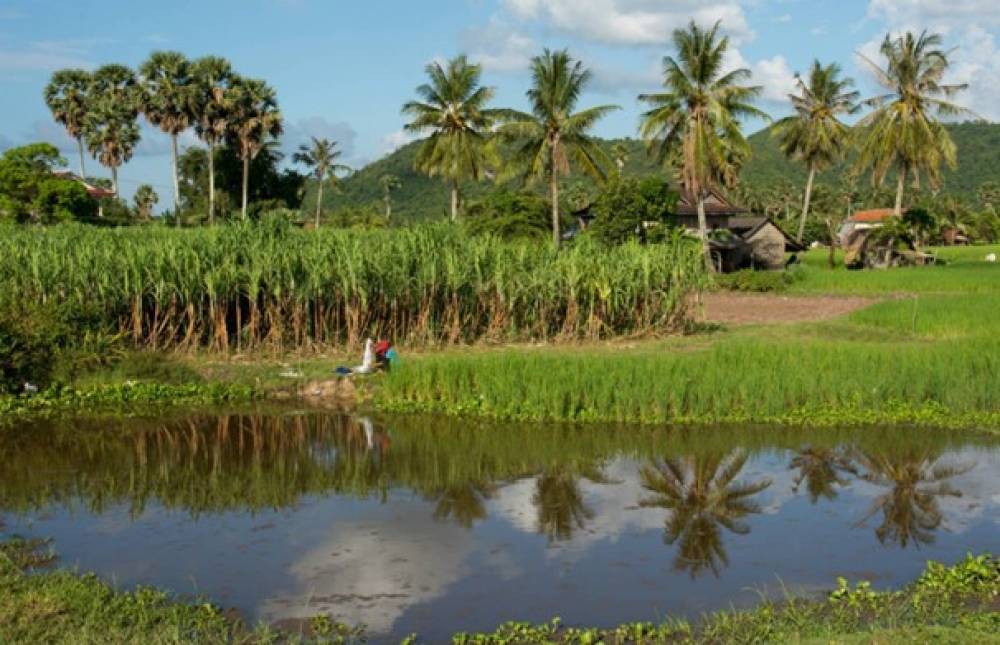
Farther along, stop at Prasat Neang Khmao, known as the Temple of the Black Virgin. The structure dates to the 900s and is surrounded by countryside. Nearby villages are known for traditional silk weaving.
Later, hop in a boat in Takeo and head to Phnom Da, one of the oldest temples in Cambodia. It’s up a small hill, made of brick, and worth the short walk. On the same path is Asram Maharoseil, a lesser-known stone sanctuary from the same era.
Day 3: The coast
Travel time: 1 hour
Start day three of this Cambodia itinerary with a boat ride to Rabbit Island (Koh Tunsay). The beaches are quiet, and there are a few basic restaurants right by the sand. It’s easy to spend a few hours swimming, napping, and eating grilled squid or fresh crab with rice.
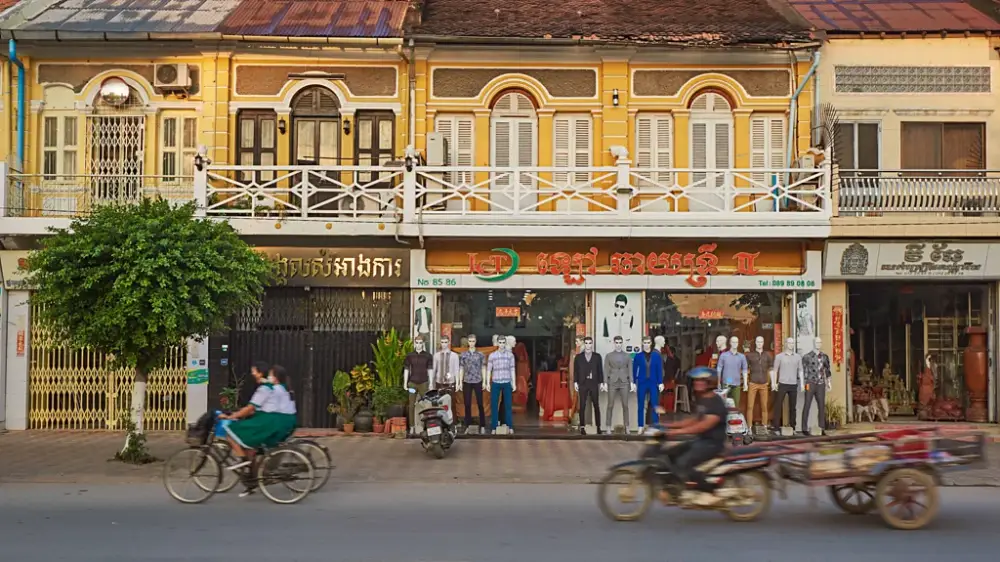
After heading back to the mainland, drive over to Kampot. It’s a small riverside town with a slower pace. The old colonial-era buildings are still standing along the riverfront, and some have been turned into cafes or small hotels. You can walk along the promenade, visit the central market, or just watch the sunset by the water.
Insider's tip: If you’re buying Kampot pepper, check the label for a red wax seal.
Day 4: Kompong Som
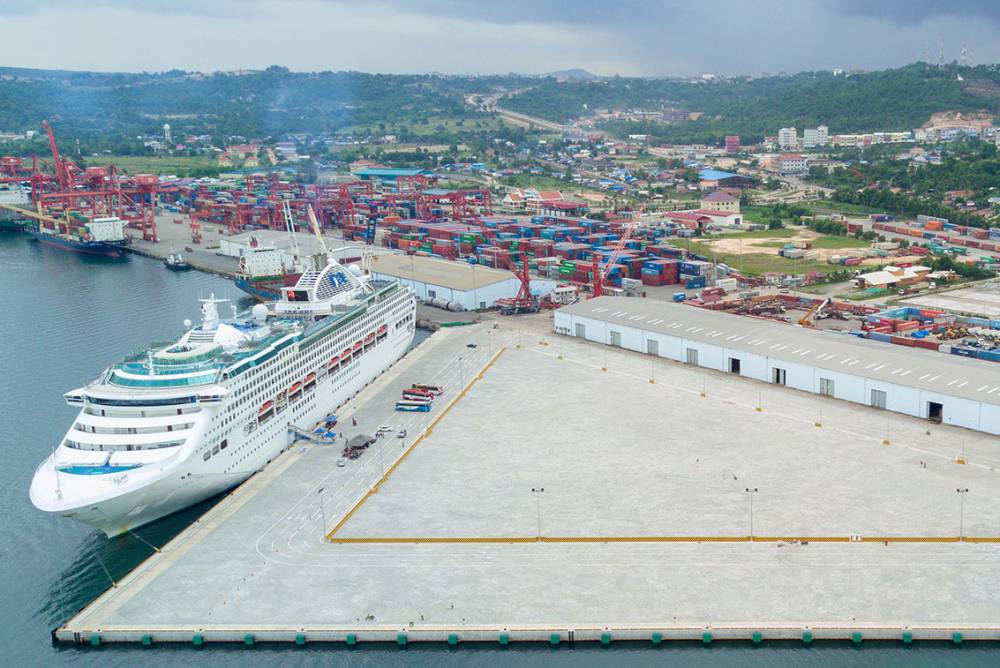
Kompong Som (also called Sihanoukville) has changed a lot in recent years, but there are still ways to experience the coast without dealing with the crowds or construction.
Ream National Park is just outside the city and is home to jungle, mangroves, and quiet beaches. You can walk some of the trails or take a boat ride, and you might spot birds or dolphins depending on the season.
Kbal Chhay Waterfall is another option, especially during the rainy months when the flow is stronger. It’s a good place to cool off and has shaded forest around it. Later in the day, head up to Wat Leu. The temple is on a hill above town, and you’ll get wide views over the coast and out toward the islands.
Insider's tip: At the Ream National Park entrance, local guides are usually available. Hiring one can really help if you’re interested in wildlife.
Day 5: Koh Rong Samloem
On day five of this Cambodia itinerary, catch a boat from the mainland to Koh Rong Samloem. There’s not much infrastructure here, which is part of the appeal. The beaches are clean, the water is clear, and the pace is slow. It’s an easy place to spend a full day just swimming, snorkeling, or reading in a hammock.
Some parts of the coast have shallow reefs with good marine life, especially near the southern end. You might see schools of fish, sea stars, and even sea turtles if you’re lucky. A few trails lead into the forest, but most people just stick to the beaches.
Insider's tip: Bring reef-safe sunscreen and a waterproof bag for your phone or camera. The water is usually clear enough for decent photos.
Day 6: Angkor's precursors
Travel time: 6–7 hours by car or 1 hour by flight
You’ve got two ways to get to Siem Reap: fly and save time, or take the drive through open countryside. The road gives you more of a feel for rural Cambodia with roadside stalls, and rice fields.
Once you arrive, head to the Roluos temples. These came before Angkor and show the early stages of Khmer temple-building. Preah Ko is a set of six brick towers, each dedicated to an ancestor. Bakong is bigger, with a pyramid structure that hints at what’s coming later at Angkor.
Lolei was once on an island surrounded by a reservoir that’s mostly dried up now.
Insider's tip: Ask your driver to stop between temples at a roadside fruit stand. You’ll get rambutan, mangosteen, or dragon fruit fresh from the farm.
Day 7: Temples and jungle sanctuaries
Start early on day seven of this Cambodia itinerary and head out to Banteay Srei, about 20 miles (30 km) from town. The carvings are unusually detailed, and the smaller layout makes it easy to take your time.
After that, it's a circuit of smaller temples. Banteay Samre is compact and peaceful. Prasat Kravan has carvings right into its brickwork. Srah Srang is a quiet reservoir with a few shade trees and maybe a vendor or two. Banteay Kdei is bigger and less restored.
Takeo is steep and bare but fun to climb. Then you’ll pass two matching temples, Thommanon and Chau Say Tevoda, before ending at Ta Prohm. This is the one where tree roots crawl over the stone, just go early or late to avoid the biggest crowds.
Day 8: Angkor's heart
Start day eight of this Cambodia itinerary at Angkor Thom’s South Gate. You’ll want to cross the moat, walk past the gods and demons, and head straight for Bayon. You’ll see the faces from a distance. There are dozens of them, carved into every tower.
After that, Baphuon’s long raised walkway leads to a big stone pyramid. The Royal Enclosure and Phimeanakas are nearby, though not much remains. The Elephants Terrace has good bas-reliefs.
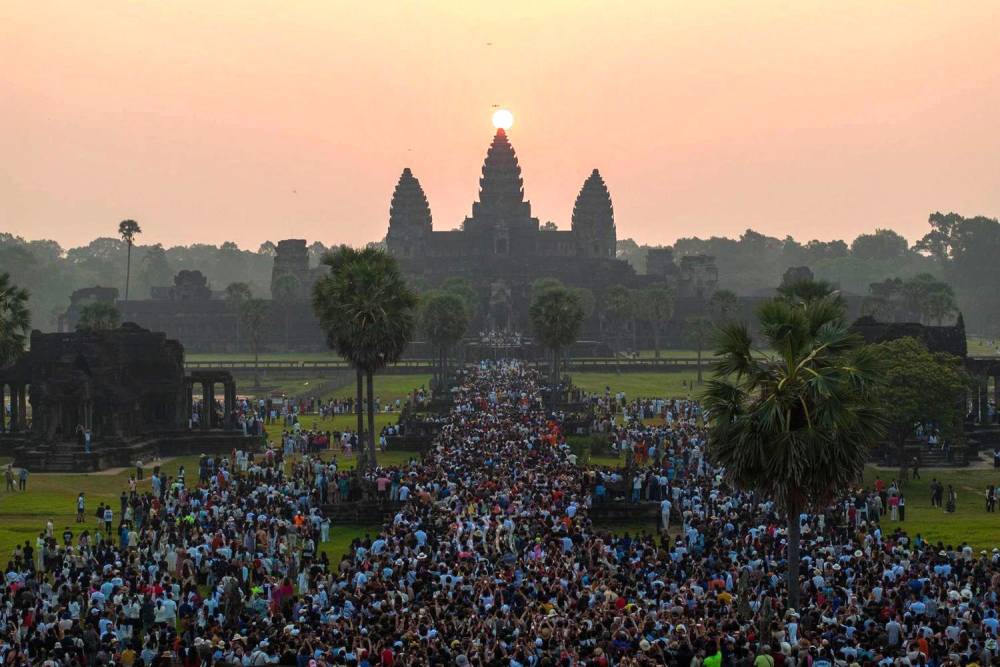
Same with the Terrace of the Leper King, which is tucked just behind it. In the afternoon, go to Angkor Wat. It’s the biggest temple in Cambodia and worth taking slowly. Start at the bas-reliefs, which show battles and Hindu legends. Then walk through the main galleries toward the central towers. You can’t always climb to the top, but even from below, the scale is clear.
Insider's tip: Download the Angkor audio app before you go.
Day 9: Jungle temples
Travel time: Around 3–4 hours of driving
Beng Mealea is about 37 miles (60 km) from Siem Reap, and it feels wild. The site hasn’t been fully restored, so trees grow through the walls and stones lie wherever they fell.
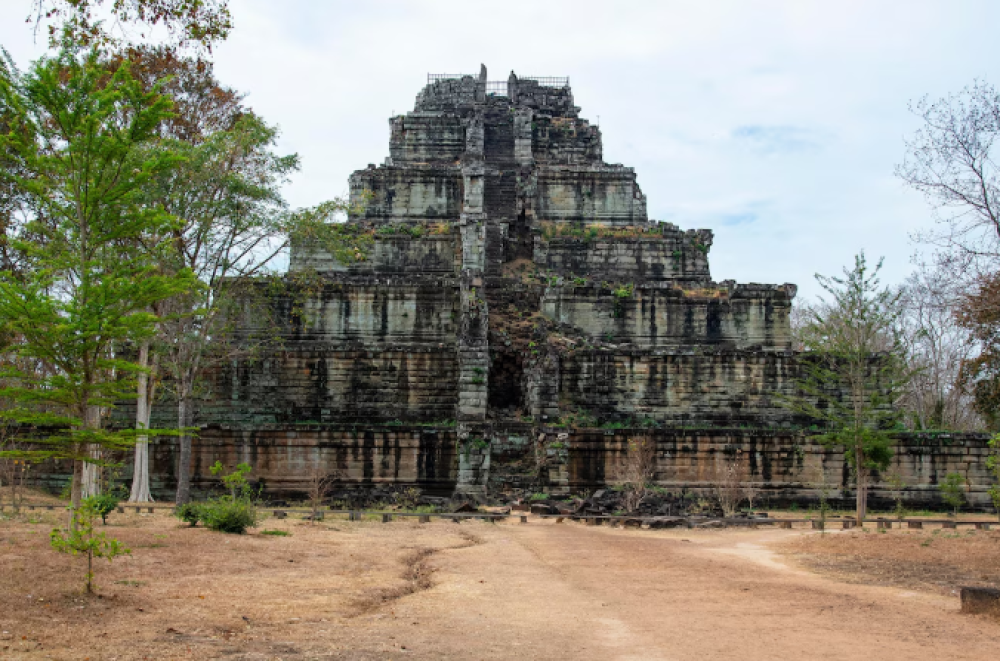
There’s a raised path through most of it, but you’ll still need to watch your footing. After that, continue north to Koh Ker. This was once a capital, though only for a few years. There are temples scattered across the forest, but the main draw is Prasat Thom, a seven-tiered pyramid you can climb for wide views.
Day 10: Floating villages and farewell
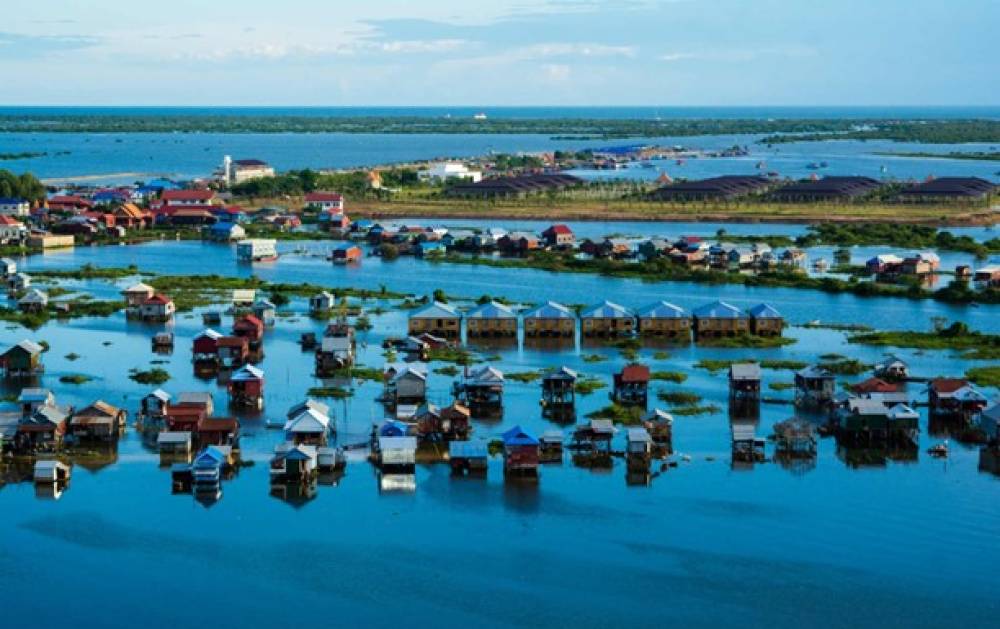
You’ll spend your last day of this Cambodia itinerary at Tonle Sap Lake. Boats leave from several different piers, depending on water levels and time of year. You’ll pass floating houses, schools, and shops, and whole villages that rise and fall with the lake.
It’s a working landscape, not a theme park, so what you see depends on the season and the community you visit. Later, swing by Senteurs d’Angkor to check out handmade products like soaps, teas, and spice mixes.
Wrap up your trip at the local markets in Siem Reap. They’re good for picking up pepper, textiles, or a lightweight krama scarf before your flight.