A Guide to Phnom Penh’s Royal Palace and Silver Pagoda
Serving as the residence of the King and the spiritual heart of the capital, this opulent riverside complex features the towering Throne Hall and the Silver Pagoda, home to national treasures like the Emerald Buddha and a floor paved with over 5,000 solid silver tiles.
Author: Marissa
Date: 19 January 2025
Source: The Culture Trip
Cambodia’s Royal Palace and adjacent Silver Pagoda offer intriguing insight into the country’s past and present. Sprinkled with history, the beautifully manicured grounds and ornate buildings also offer a reprieve from the hustle and bustle of the surrounding capital life — making a trip to the Royal Palace a must on every visitor’s itinerary.
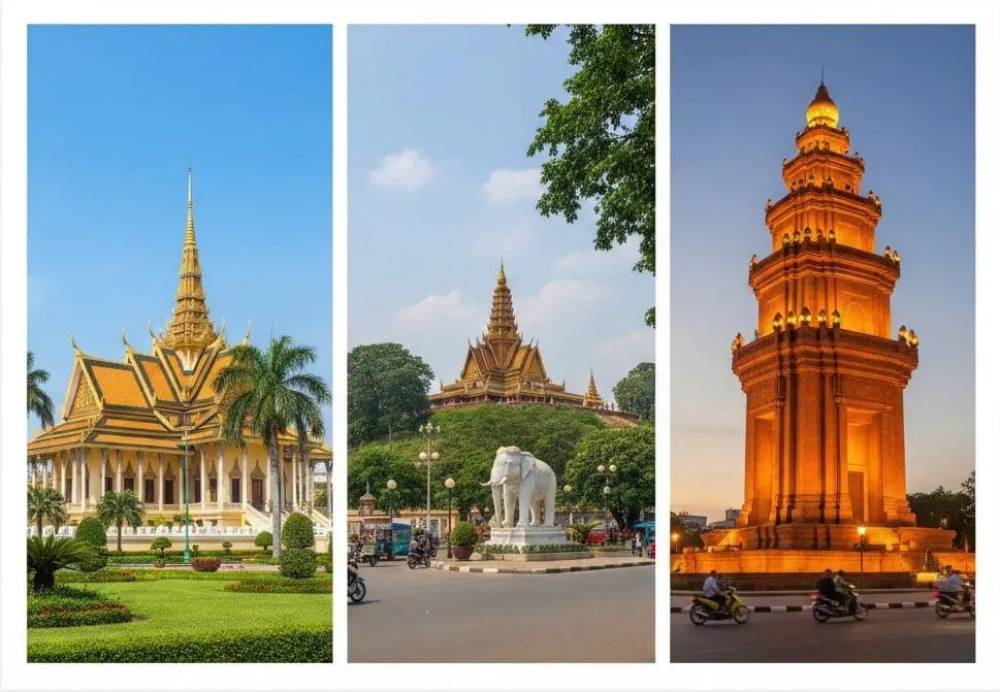
Home to Cambodia’s official royal residence, the grounds of Phnom Penh’s Royal Palace and Silver Pagoda are awash with regal structures, intimate temples, collections of gifts from foreign leaders, and murals that paint a picture of the country’s past. Identified by the iconic high yellow walls that shelter the site, the Royal Palace and Silver Pagoda are one of the most popular tourist attractions in the city. Locals like to bask in its beauty every day — flocking to the small patch of grass that sits in the shadows of the palace’s Moonlight Pavilion to feed the birds, enjoy snacks, or place offerings.
History of the Royal Palace and Silver Pagoda
Phnom Penh hasn’t always been the capital of Cambodia. Previously, Oudong was the capital until then-King Norodom relocated it to Phnom Penh in 1865. He recruited the skills of architect Neak Okhna Tepnimith Mak to design palatial grounds made of marble, gold and other precious stones, with construction carried out by the French Protectorate in 1866. The city was officially inaugurated as the capital the same year.
Over the next years, several buildings were added and demolished in a bid to modernise the grounds. In 1871, the Royal Court became a permanent fixture, with the palace’s iconic walls added in 1873. The Napoleon Pavilion was gifted to the royal family by France in 1876 and remains today. King Sisowath (reigned 1904–1927) made further changes, adding Phochani Hall and expanding the Throne Hall. In the 1930s, King Monivong added the Royal Chapel and replaced the former Royal Residence with Khemarin Palace, the official home today. Under King Sihanouk in the 1950s, Villa Kantha Bopha was built to host guests and Damnak Chan to house the High Council of the Throne.
Exploring the Royal Palace and grounds
Large parts of the sprawling grounds and formal gardens are open to the public, featuring artistic topiary, palm trees, colourful bougainvillea and well-kept walkways. However, it remains the official royal residence, so areas devoted to royal living are closed to visitors. There are several entrances: the eastern Victory Gate is reserved for royalty and VIPs, the northern funeral gate is opened only after a monarch’s death, the western “executing gate” was historically used to bring prisoners out of the palace, and the southern gate is the commoners’ entrance leading to the Silver Pagoda.
Buildings open to the public include the golden-spired Throne Hall, painted yellow to symbolise Buddhism and white to represent Hinduism. The hall has five front doors, with the central one reserved for royalty. Inside, the grand golden thrones are used only for coronations, with distinct seating for the king and queen. Adjacent is a resting room used by royalty for relaxation and ceremonies, with views of the king’s residence and royal guesthouse.
A small building to the left of the Throne Hall houses a collection of outfits imitating the attire King Sihamoni wore for his coronation on 14 October 2004. Nearby sits the Napoleon Pavilion — an unusual structure contrasting with traditional Khmer architecture, made almost entirely of cast iron, constructed in Egypt and sent as a gift from Napoleon III.
The Silver Pagoda
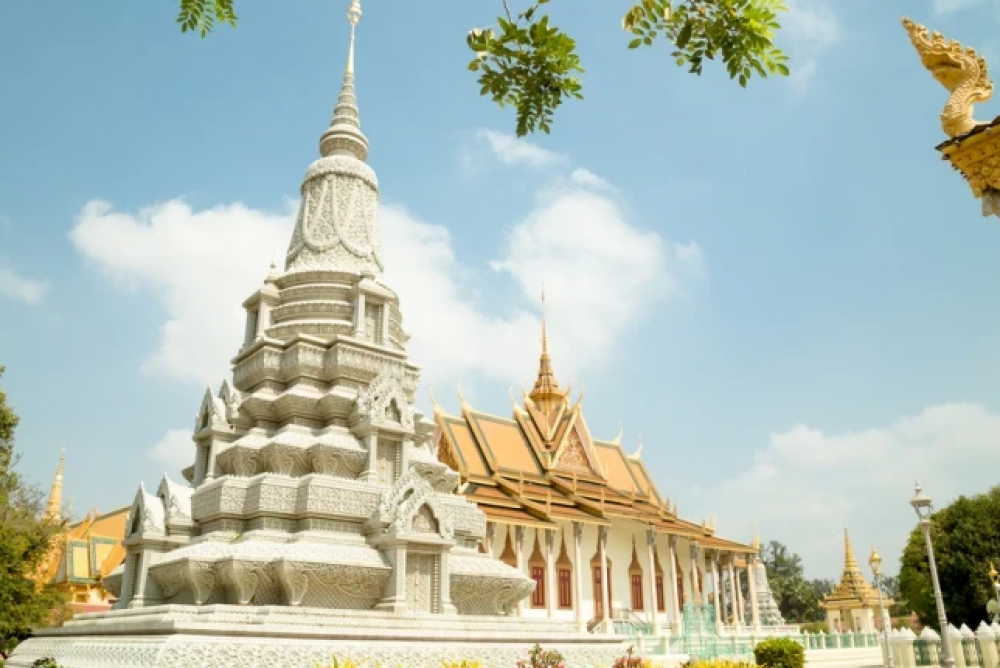
The Silver Pagoda, also known as Wat Preah Keo, or the ‘Temple of the Emerald Buddha’, was originally built as a wooden structure in 1892 under King Norodom and rebuilt in its current form in 1962. Although the building survived the Khmer Rouge era, half of its contents were pillaged or destroyed during subsequent years of turmoil.
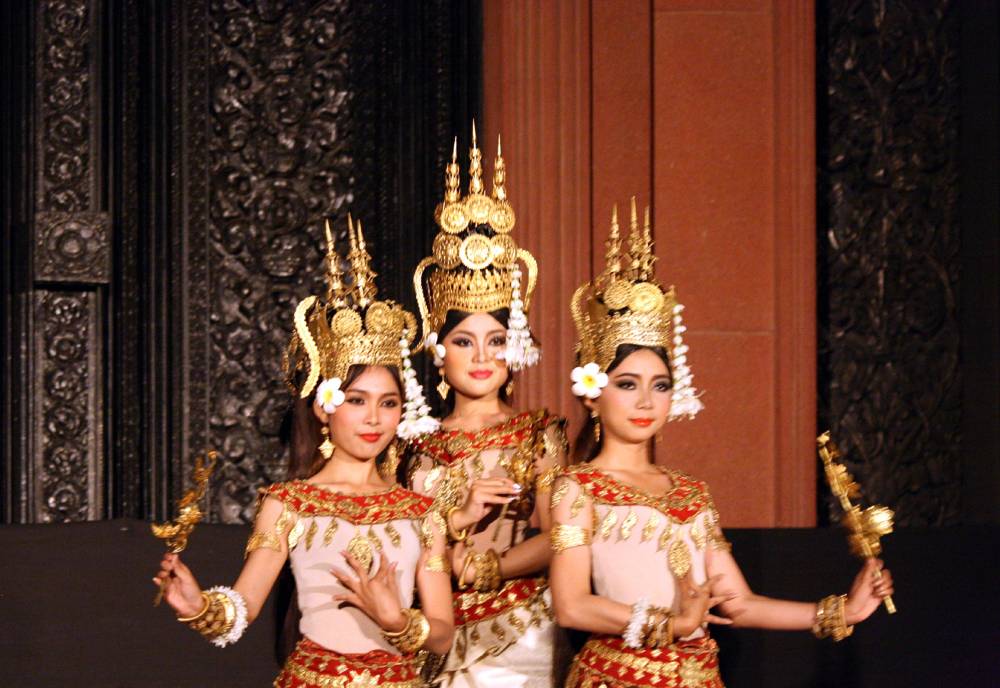
The pagoda’s floor is covered with five tonnes of silver tiles. The staircase leading to the pagoda is made of Italian marble. Inside, the temple is home to a life-sized gold Buddha inset with 2,086 diamonds, the largest weighing 25 carats. The walls are lined with golden Buddha figures, ancient art, and traditional masks used in classical dances; gifts from various heads of state — such as statues — are also housed inside.
Advice for Visiting
Visitors to the Royal Palace should dress respectfully: shoulders and knees must be covered. Inappropriate clothing can result in refusal of entry or being asked to pay extra to hire covering garments. Photography is generally permitted on the grounds, but not inside the Silver Pagoda, and touching ancient relics or climbing structures is prohibited.
It’s possible to explore the palace grounds independently, though hiring a guide at the southern gate is recommended for detailed historical insight. Guides are typically well-informed and paid at visitors’ discretion, with around US $10 suggested.
The Royal Palace is closed during many of Cambodia’s major public and religious holidays, so visitors should check opening times beforehand. Normal opening hours are from 8 am to 10:30 am and from 2 pm to 5 pm daily. Entry costs around US $6.50.