The Great Leather Theater: Sbek Thom ស្បែកធំ
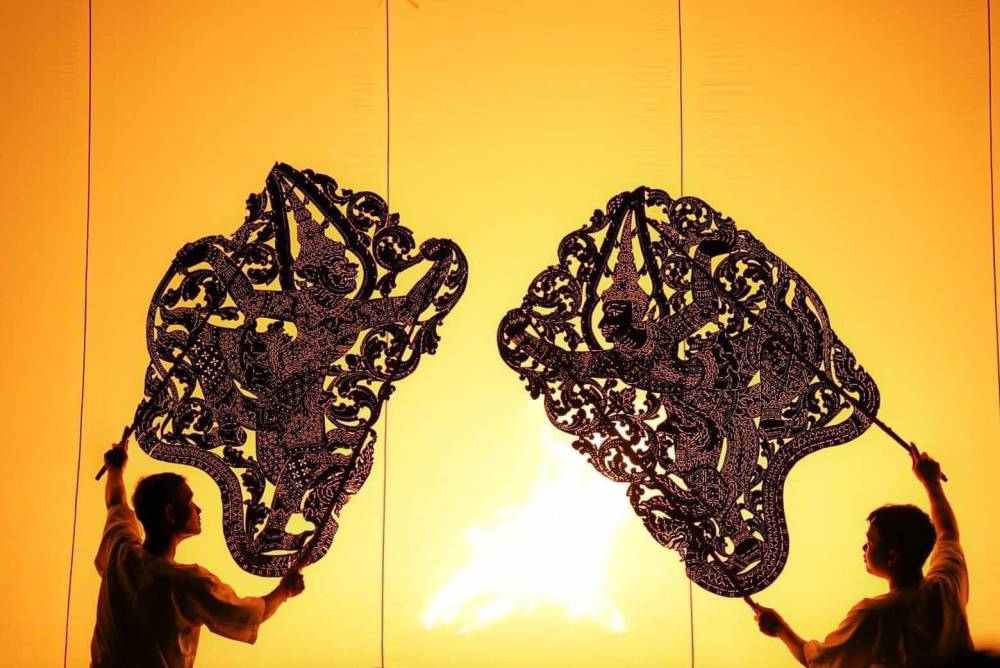
Recognized by UNESCO as a Masterpiece of the Oral and Intangible Heritage of Humanity, Sbek Thom is a sacred Khmer shadow theater that uses large, intricately carved leather puppets to bring the epic legends of the Reamker to life.
Author: Sounds of Angkor (no individual author listed)
Date: Last updated 5 December 2023 (publication date not explicitly listed) (Sounds of Angkor)
Source: Sounds of Angkor
Historic Origins of Sbek Thom
The term Sbek Thom (ស្បែកធំ, pronounced sbaek thom) refers to the largest shadow theater in Cambodia, differentiated from Sbek Touch (ស្បែកតូច), a smaller articulated form. The literal meanings are “Large Leather” and “Small Leather” respectively. Sbek Thom traditionally uses large fixed leather figures to enact stories exclusively from the Reamker (the Khmer version of the Indian Rāmāyana of Valmiki).
Historical sources on Sbek Thom are rare. The oldest known Cambodian inscription (K.359 at Veal Kanteal) from the 7th century mentions Rāmāyana, not Reamker, and iconography from the same era was found at Angkor Borei in Takeo province. From the 13th century onward, Reamker iconography flourished across Angkorian monuments, peaking at Angkor Wat.
French ethnomusicologist Jacques Brunet (1969) notes that shadow figures likely originated in ancient India and spread alongside Indian culture into Southeast Asia. In Cambodia, Sbek Thom became part of the classical theatrical tradition, closely associated with the Royal Ballet and once performed at royal rites and entertainments in capitals such as Angkor, Battambang, Udong, and Phnom Penh. Despite its name, the performance doesn’t rely on projected shadows like Indonesian styles; rather, it uses contrasts of light and darkness.
Ancient Role of Sbek Thom
Early inscriptions show that reciting or hearing the Rāmāyana was considered meritorious and purifying. The K.359 inscription records that a Brahman instituted daily recitations of the Rāmāyana and Purāna, while a 10th-century inscription (K.218 at Prasat Sankhah) describes the recitation as cleansing sin.
According to a 2014 UNESCO publication by Kong Vireak and Preap Chanmara, because Sbek Thom enacts only the sacred Reamker, it is performed at important religious and royal ceremonies. These include cremations of kings and monks, coronations, sacred boundary markings of new Buddhist halls, consecrations of Buddha statues, life-prolonging ceremonies for chief monks, and village rites. Today, it is also performed on national occasions such as National Culture Day. As documented in a 1992 film by Brunet, Master Ty Chean—then one of the last living practitioners—explained that during performances he was believed to be possessed by spirits, and people honored them.
Decline and Revival of Sbek Thom
Brunet’s 1969 research described how the performance began with a ritual ceremony invoking deities to ensure good conditions and bring life to the leather figures. Initially, dancers called the gods with three cries, and the master invoked supernatural powers before the Reamker enactment began. Ritual purification using consecrated water prepared both figures and performers. The leather panels acted like masks inhabited by spirits.
Later clarification by Kong Vireak and Preap Chanmara describes the pre-performance ritual (hom pithi or khum rong). Panels of key figures (Ascetic, Preah Ishor, Preah Naray, Ream, Demon King Reap) are placed on a screen alongside ritual objects such as ripened banana, betel leaves, incense, flowers, rice, candles, and sacred anointing water. Incense is lit to honor supernatural Masters (sampeah krou), and performers bow in respect as gods and Masters are invited to the ceremony.
Origins of the Decline
Although Cambodia’s cultural collapse under the Khmer Rouge impacted many traditions, Sbek Thom’s near disappearance predates that period. In the 1960s, Master Ty Chean’s troupe was one of the last. Performances used to span seven nights or longer, but by the mid-20th century the full legend was rarely performed, with episodes chosen instead. The loss of meaning among Cambodians contributed more to decline than political disruption alone.
Brunet returned to Cambodia in 1992 and helped restore some memory by assembling village youth into a troupe under Ty Chean’s guidance. Before his death in 2000, Ty Chean trained musicians and panel handlers; his efforts helped revive Sbek Thom’s heritage.
Today, various troupes perform for tourists, often at Wat Bo Pagoda in Siem Reap, where shows last about an hour and feature fire, electric light, and traditional staging that evokes the classic shadow theater experience.
Religious Practices and Beliefs
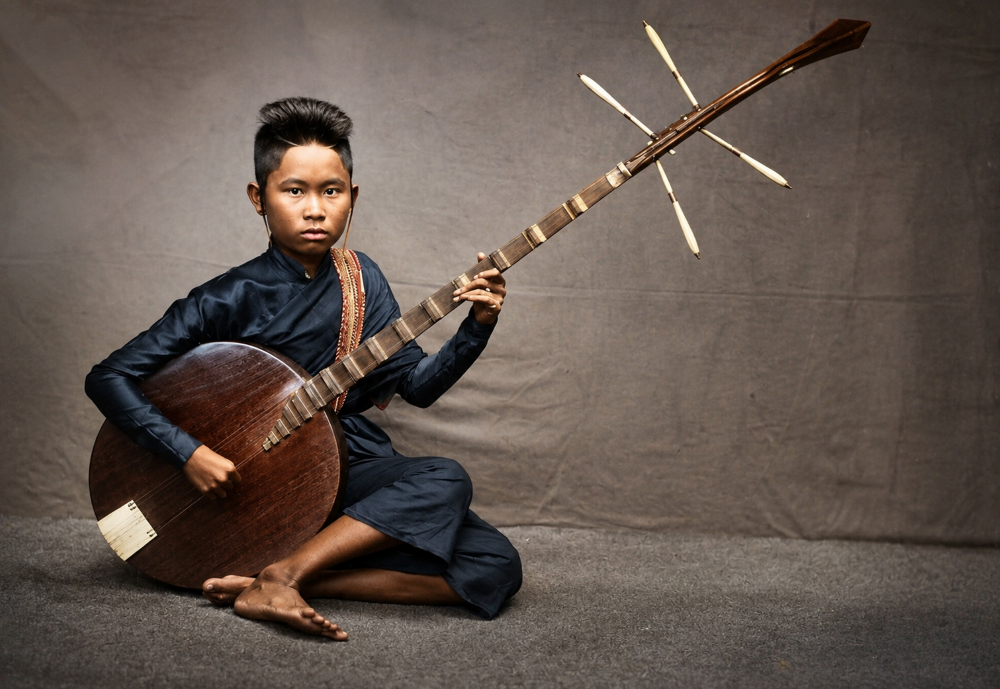
In the 1960s, Sbek Thom performances were accompanied by ritual taboos and incantatory rites, believed to affect dancers’ health if neglected. Leather figures themselves were treated with offerings and protection rites, especially powerful characters like Shiva and Ravana. Musical instruments serve roles in communication, entertainment, atmosphere, and spiritual engagement, reflecting deep connections between music, dance, and theater in Khmer culture.
Manufacture of Figurines and Social Impact
Leather engravings for Sbek Thom and Sbek Touch are part of the tourist souvenir market. Craftsmen such as Sery Rathana teach engraving skills to children in an orphanage setting, helping them earn income, attend school, and learn artistic techniques. Students often receive a share of proceeds, and their training includes both craft and classroom education. (Sounds of Angkor)
Future of Sbek Thom
The article argues that despite UNESCO recognition, Sbek Thom’s survival depends on reviving belief and local engagement rather than tourism alone. Sbek Thom competes with Sbek Touch—a more accessible entertainment form—and maintaining troupes requires labor-intensive craftsmanship and sustained community or institutional support. The article suggests that reinvigorating religious and cultural meaning with support from Buddhist authorities may be the only path to long-term cultural survival. (Sounds of Angkor)
Contemporary Innovations: Bambu Stage
In Siem Reap, the Bambu Stage troupe has innovated since 2013 by blending Sbek Thom, Sbek Touch, live shadow theater, theatrical play, lighting, projection, and subtitling to appeal to both Cambodian and international audiences. Their approach emphasizes maintaining cultural relevance for local people as well as visitors. (Sounds of Angkor)