Phnom Penh Walk Street: Where the City Comes Alive on Foot
Transforming the capital’s riverfront into a vibrant pedestrian zone, Phnom Penh Walk Street serves as a dynamic cultural and social hub where locals and tourists gather to experience the city's nightlife, street food, and community spirit.
Author: Vathana
Date: 11 June 2025
Source: SiemReaper.com
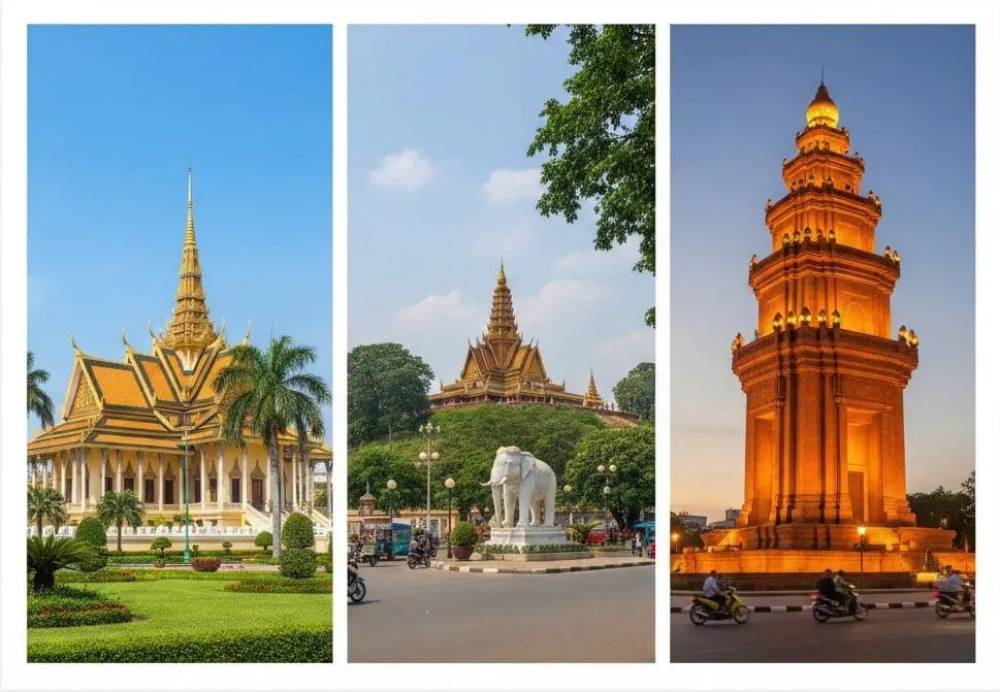
Tucked along the banks of the Tonlé Sap River, with colonial-era buildings, modern cafes, and golden spires lining the horizon, Phnom Penh is a city of contrasts. The capital of Cambodia pulses with the energy of motorbikes, tuk-tuks, and the honking rhythm of urban life. But come the weekend, something extraordinary happens: the roar of traffic is replaced by the buzz of people, laughter, music, and the enticing aroma of street food. Welcome to Phnom Penh Walk Street, a vibrant, pedestrian-only zone that transforms the city’s riverside into a festive cultural showcase every weekend. It’s a space where locals reclaim the streets, kids can skate safely, artists and performers come alive, and visitors can soak in the authentic rhythms of Khmer life. Whether you're a tourist looking for something different or a local seeking a wholesome evening out, Walk Street is a must-experience event that tells the story of a capital city striving to breathe, connect, and celebrate its people.
The Birth of Walk Street: A New Urban Culture
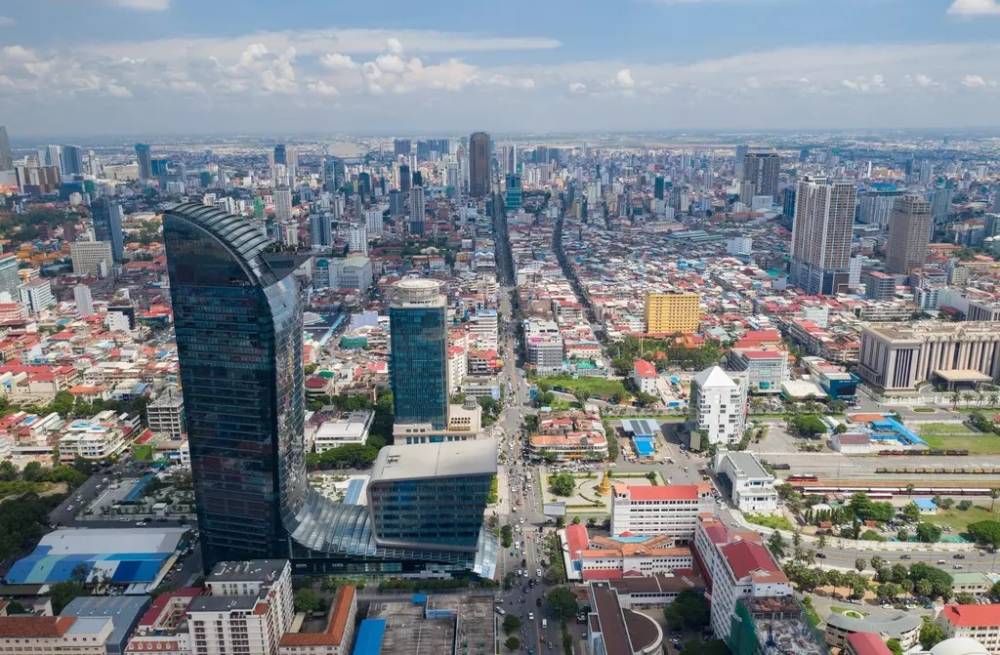
In recent years, Phnom Penh has undergone rapid transformation. With shopping malls, high-rise condos, and busy traffic corridors, the city has expanded quickly. Amidst this modernisation, there is a growing movement to reintroduce human-centred urban spaces — areas where people, not vehicles, take priority.
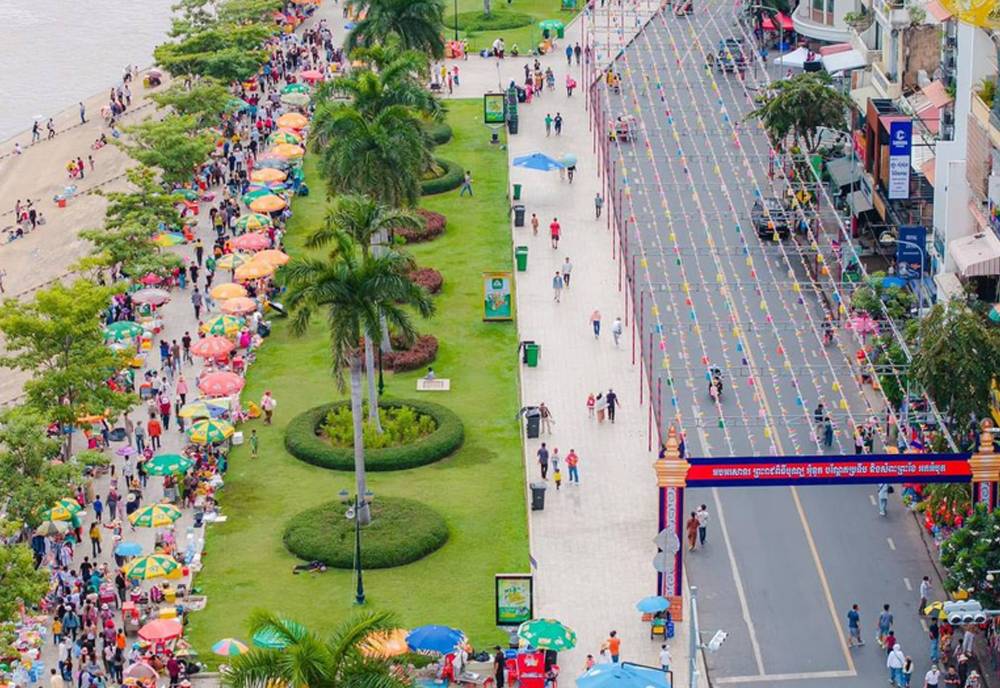
Walk Street began as a small weekend experiment promoted by city officials and youth organisations to create a safe, inclusive space for community interaction, physical activity, and cultural expression. What started as a modest effort has now become a regular and cherished event. Every Saturday and Sunday evening, a section of the riverside road — Preah Sisowath Quay, running near the Royal Palace and Wat Ounalom — is closed to traffic. From around 5 PM until 9 or 10 PM, the area becomes a car-free promenade filled with music, food, dance, art, and joy.
A Riverfront Reimagined
Phnom Penh’s riverside has always been a favourite spot for walkers, especially in cooler early mornings or late evenings. The promenade offers scenic views where the Tonlé Sap meets the Mekong. During Walk Street hours, the experience is amplified tenfold. As the sun sets, the sky turns golden behind the Royal Palace’s gleaming rooftops. Lanterns and streetlights flicker on. Families arrive — some walking, others riding scooters or pushing prams. Street vendors set up stalls offering everything from noodle soup to grilled seafood, and even fried insects for the adventurous. Children laugh and chase each other on rollerblades and toy cars. Music fills the air — sometimes traditional Khmer songs, sometimes pop hits.
The Sights and Sounds of Walk Street
Walk Street isn’t just a stroll — it’s a multisensory experience:
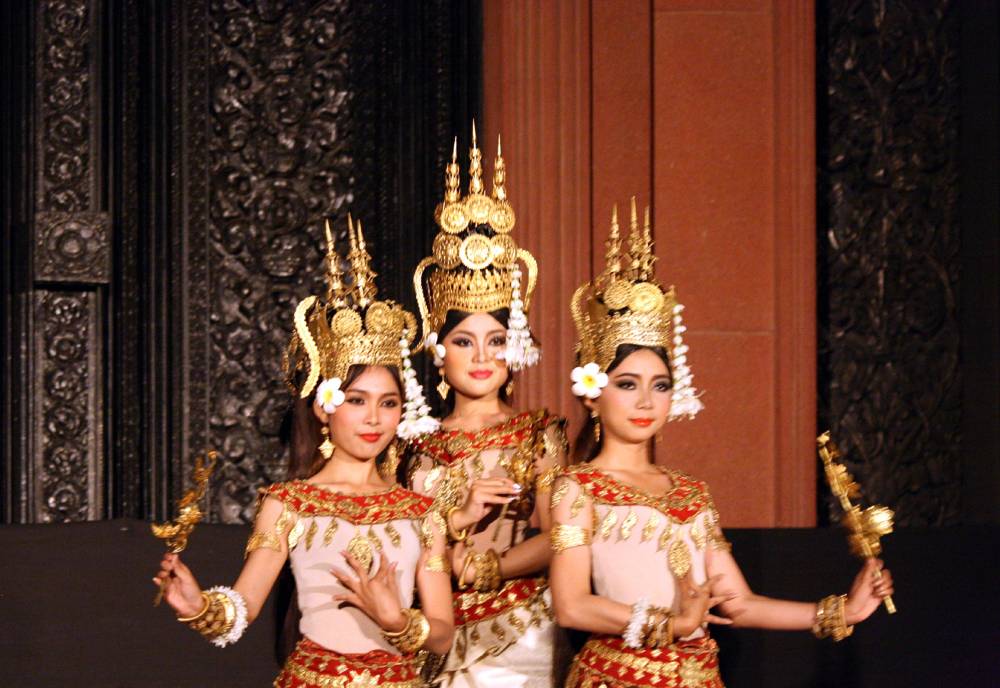
· Street Performances: Young dancers from local schools perform traditional Apsara dances in full costume, while modern troupes stage hip-hop routines to cheers. Solo musicians strum guitars and sing, and you might even catch puppet shows or drum circles.
· Street Food Extravaganza: Local vendors set up carts or simple tables offering Khmer favourites like nom banh chok (rice noodles), nom pang (sandwiches), bai sach chrouk (pork and rice), grilled meats, sticky rice with mango, sugarcane juice, and fresh coconut water.
· Local Crafts and Shopping: Artisans sell handwoven krama scarves, handmade jewelry, wood carvings, and trinkets, often supporting community programmes or NGOs.
· Youth and Creativity: Walk Street provides platforms for young Cambodians — art installations, student exhibitions, pop-up booths from NGOs, games, and interactive zones bring energy and civic engagement to the space.
For Families and Children
Walk Street is family-friendly. With no cars allowed, it offers a rare chance for children to run freely in a city street. Parents relax as kids ride hoverboards or mini-bikes, blow bubbles, or have their faces painted. Some weekends include designated kids’ zones with puppet shows, storytelling, or community contests.
Safety, Accessibility, and Cleanliness
Walk Street is well-organised and relatively safe. Police and city volunteers manage the closed streets, keep crowds moving, and monitor public areas. Trash bins are placed throughout, and clean-up crews work after hours to maintain tidiness. Most of the promenade is flat and wheelchair-friendly, though visitors are advised to watch personal belongings in the crowds.
A Stage for Social Change
What sets Phnom Penh Walk Street apart is its social purpose. It’s more than entertainment — it’s a way for citizens to reclaim public space, express themselves, and strengthen community ties in a rapidly changing city. Booths often raise awareness about environmental causes, gender equality, LGBTQ+ rights, and public health. Community groups use the space for fundraisers, dance groups perform for school support, and university students share ideas on urban planning.
How to Visit Phnom Penh Walk Street
· Location: The main stretch runs from the Night Market (Phsar Reatrey) toward Wat Ounalom and sometimes to the Royal Palace.
· When: Every Saturday and Sunday from around 5 PM to 9:30 PM, best enjoyed just before sunset.
· Getting There: If you’re near Riverside or Daun Penh, you can walk. A tuk-tuk ride from other areas typically costs around $2–$4.
· Tips: Wear light clothing and comfortable shoes, bring cash for food and crafts, try local foods with an open mind, respect performers when photographing, and stay hydrated.
A Glimpse into Phnom Penh’s Future
Walk Street symbolizes Phnom Penh’s evolving approach to city life — where streets become spaces for connection, creativity, and shared joy. In a city of construction and traffic noise, Walk Street reminds locals and visitors alike that public spaces, when designed for people, can build stronger and more inclusive communities.
Conclusion
Phnom Penh Walk Street is more than an event — it’s an experience that captures the soul of Cambodia in ways few attractions can. Spontaneous, imperfect, joyful, and deeply real, it’s a weekend ritual worth joining. Whether you’re shopping, eating, people-watching, or simply soaking in the lively atmosphere, each step reveals new flavors, sounds, and stories from the heart of Phnom Penh.